
Our Four-Part Guide to Baler Belts: Ensuring High Performance and Efficiency
When it comes to the agricultural industry, efficient and reliable equipment is essential for maximum productivity. Baler belts play a crucial role in the smooth operation of balers, ensuring the efficient processing of crops. In this four-part guide, Belting Headquarters will delve into the importance of baler belts, the different types available, maintenance tips, and the selection process to help farmers make informed decisions for their operations. Contact our team for more information!
Understanding the Importance of Baler Belts
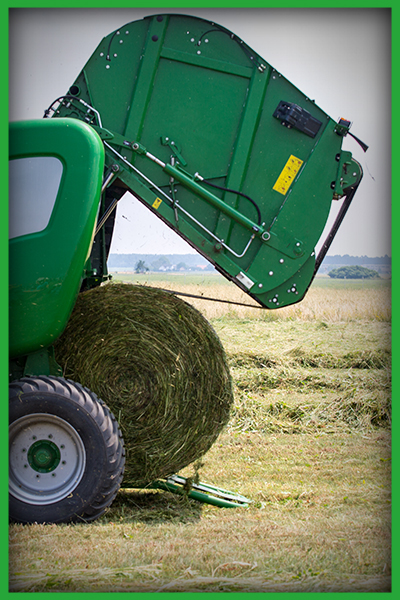
Baler belts are integral components of harvesting equipment used to compress and bale crops for storage and transport. They aid in creating uniformly-shaped bales while minimizing crop loss. This section will delve into the critical role baler belts play in maintaining overall efficiency, reducing downtime, and improving crop yield.

Exploring Different Types of Baler Belts
Not all baler belts are created equal. There are various types of baler belts available in the market, such as rubber belts, PVC belts, and steel belts. By understanding the advantages and disadvantages of each type, farmers can make educated decisions on which belt material best suits their specific needs.
- Rubber belts are a popular choice for balers due to their flexibility and high grip. They provide excellent traction, making them suitable for handling heavy materials. Rubber belts also have good resistance to wear and tear, allowing them to withstand demanding operating conditions. However, one disadvantage of rubber belts is that they can be susceptible to damage from exposure to harsh chemicals or prolonged exposure to UV rays.
- PVC belts, on the other hand, offer excellent chemical resistance and do not degrade as quickly when exposed to sunlight. They are known for their durability and resistance to abrasion, making them ideal for tough operating environments. Additionally, PVC belts are less likely to stretch or slip, providing reliable performance. However, their limited flexibility might make them unsuitable for certain applications that require a high degree of bending.
- Steel belts are the strongest and most durable option among baler belts. They can handle heavier loads and provide exceptional strength to prevent belt slippage or breakage. Steel belts are also resistant to punctures and tears, making them ideal for handling sharp or abrasive materials. However, their rigidity may limit their use in certain applications that require flexibility or gentle handling.

Essential Maintenance Tips for Baler Belts
Proper maintenance is vital for extending the lifespan and performance of baler belts. Valuable maintenance tips include regular cleaning, inspection for wear and tear, and proper tension adjustments. These simple steps can prevent costly breakdowns and ensure consistent performance throughout the harvesting season.

In the fast-paced world of agriculture, the right choice of baler belts can make all the difference in terms of operational efficiency and productivity. By understanding the importance of baler belts, exploring different types, practicing proper maintenance, and making informed purchase decisions, farmers can enhance their overall productivity and ensure smooth baling operations. Trusting a reliable supplier, such as Belting Headquarters, can further guarantee the quality and durability of the baler belts, giving farmers peace of mind in their investment and long-term success of their operations.