
Troubleshooting Common Issues With Baler Belts: Tips and Techniques for Effective Repairs
In the demanding world of agriculture, baler belts are the unsung heroes that tirelessly work to ensure smooth harvesting and baling processes. However, like any machinery, they are prone to wear and tear. Belting Headquarters recognizes the challenges farmers face in maintaining and repairing baler belts promptly. In this blog post, we will explore common issues with baler belts and provide valuable tips and techniques for effective repairs. Learn more and reach out to our team for quality baler belts today!

Identifying Belt Misalignment
One prevalent issue is belt misalignment, which can result in uneven bale formation and increased wear. Regularly inspect the alignment of your baler belts. If misalignment is detected, realign the belts according to the manufacturer’s guidelines. Ensuring proper alignment not only improves belt lifespan but also enhances the overall efficiency of the baling process.

Tackling Belt Slippage
Belt slippage can be caused by various factors, such as improper tension or worn-out pulleys. Regularly check and adjust belt tension as per the manufacturer’s recommendations. Inspect pulleys for signs of wear and replace them if necessary. Addressing these issues promptly prevents slippage and ensures consistent bale production.
Dealing With Belt Wear and Tear
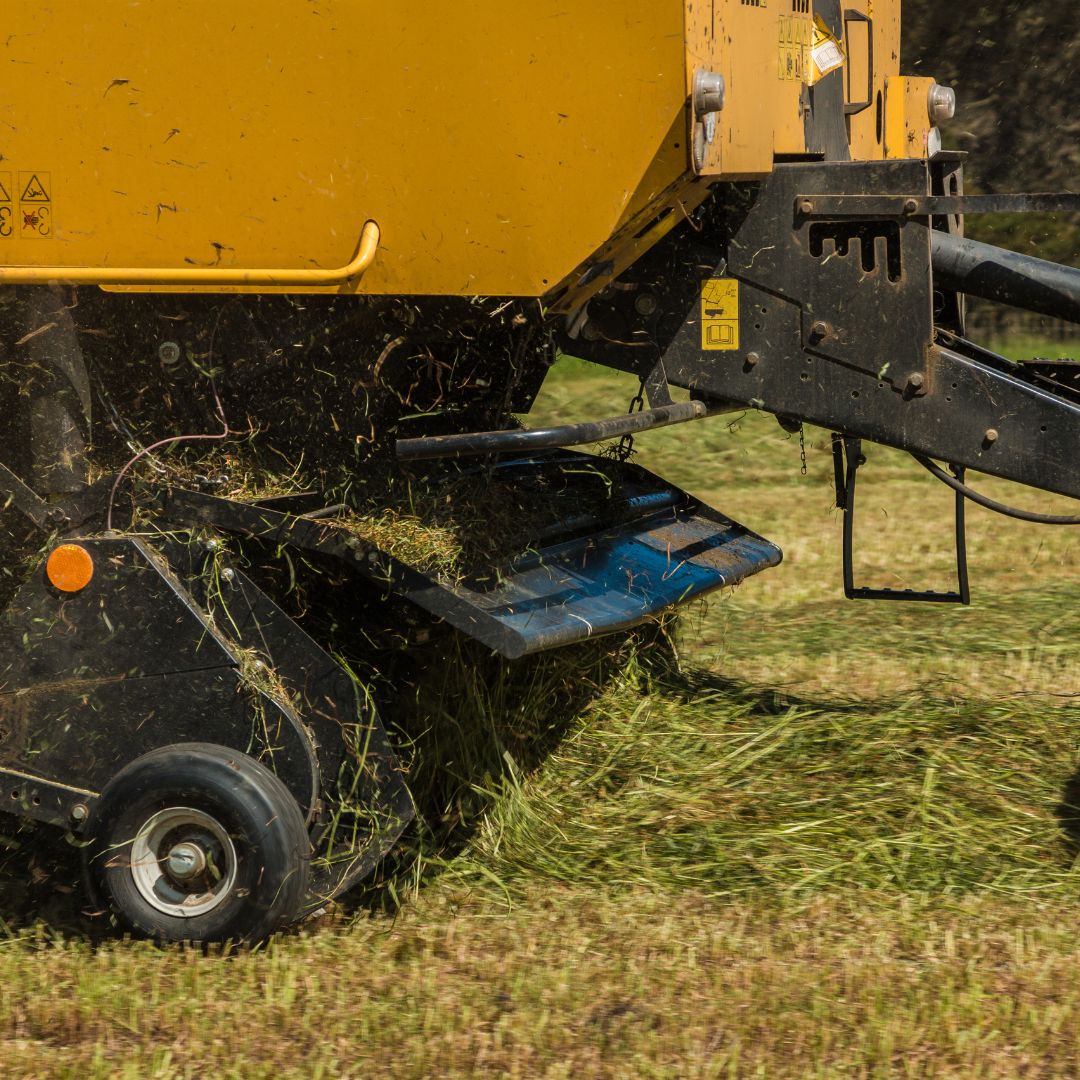
Constant use can lead to wear and tear, affecting the performance of baler belts. Regularly inspect the belts for signs of damage, fraying, or thinning. Replace worn-out sections promptly to prevent further damage and maintain optimal efficiency during the baling process.
Resolving Material Build-Up Issues
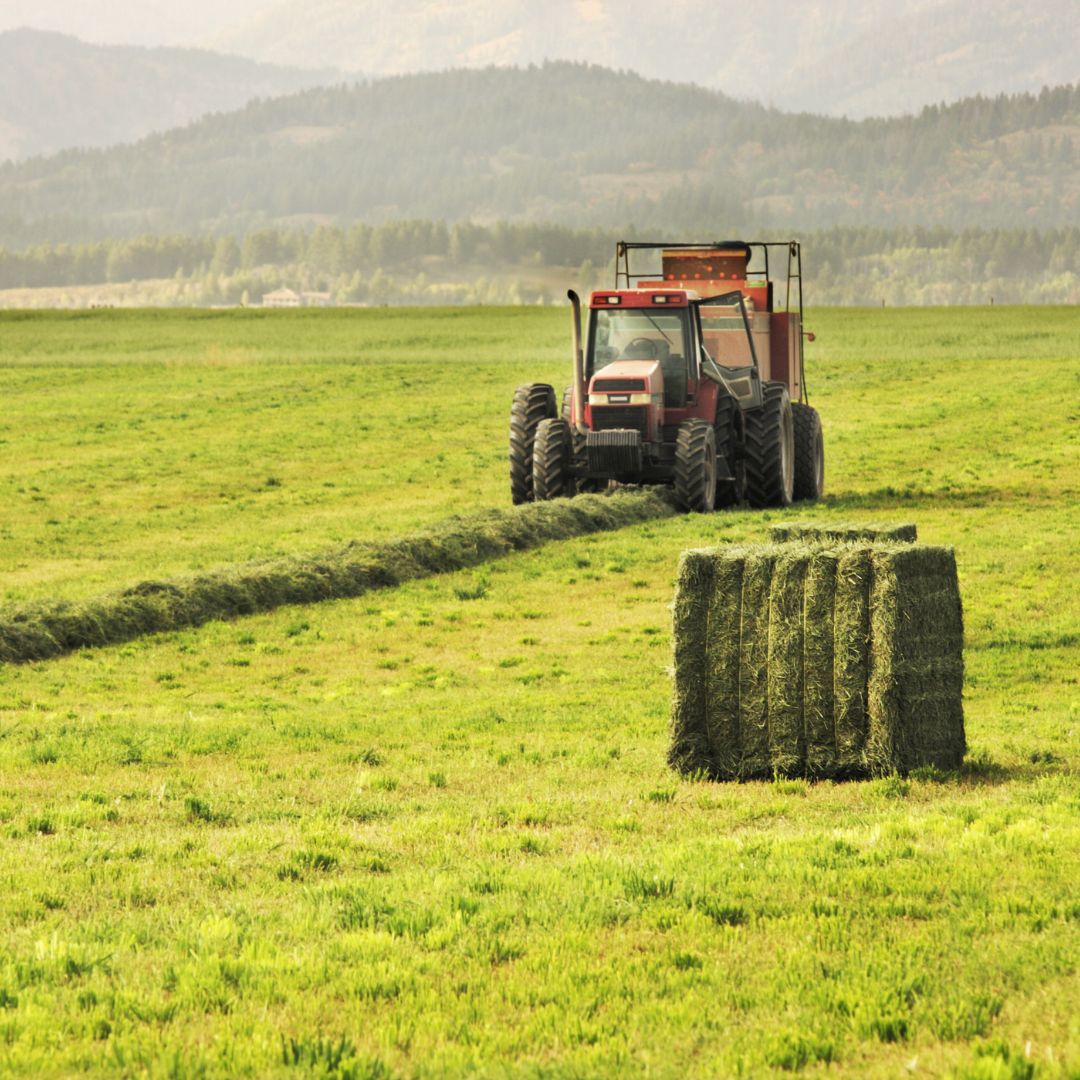
Baler belts can accumulate debris and material buildup over time, impacting their functionality. Regularly clean the belts to remove any accumulated material. Additionally, consider using belt treatments or coatings to reduce the adherence of crop residues, ensuring smoother operation and preventing unnecessary wear.
Proactive maintenance and timely repairs are crucial for the longevity and efficiency of baler belts. Belting Headquarters understands the challenges farmers face and offers these tips and techniques to help troubleshoot common issues effectively. By addressing problems promptly and implementing preventive measures, farmers can ensure that their baler belts continue to operate at peak performance, contributing to a seamless and productive harvesting season.
Learn MoreLearn More