
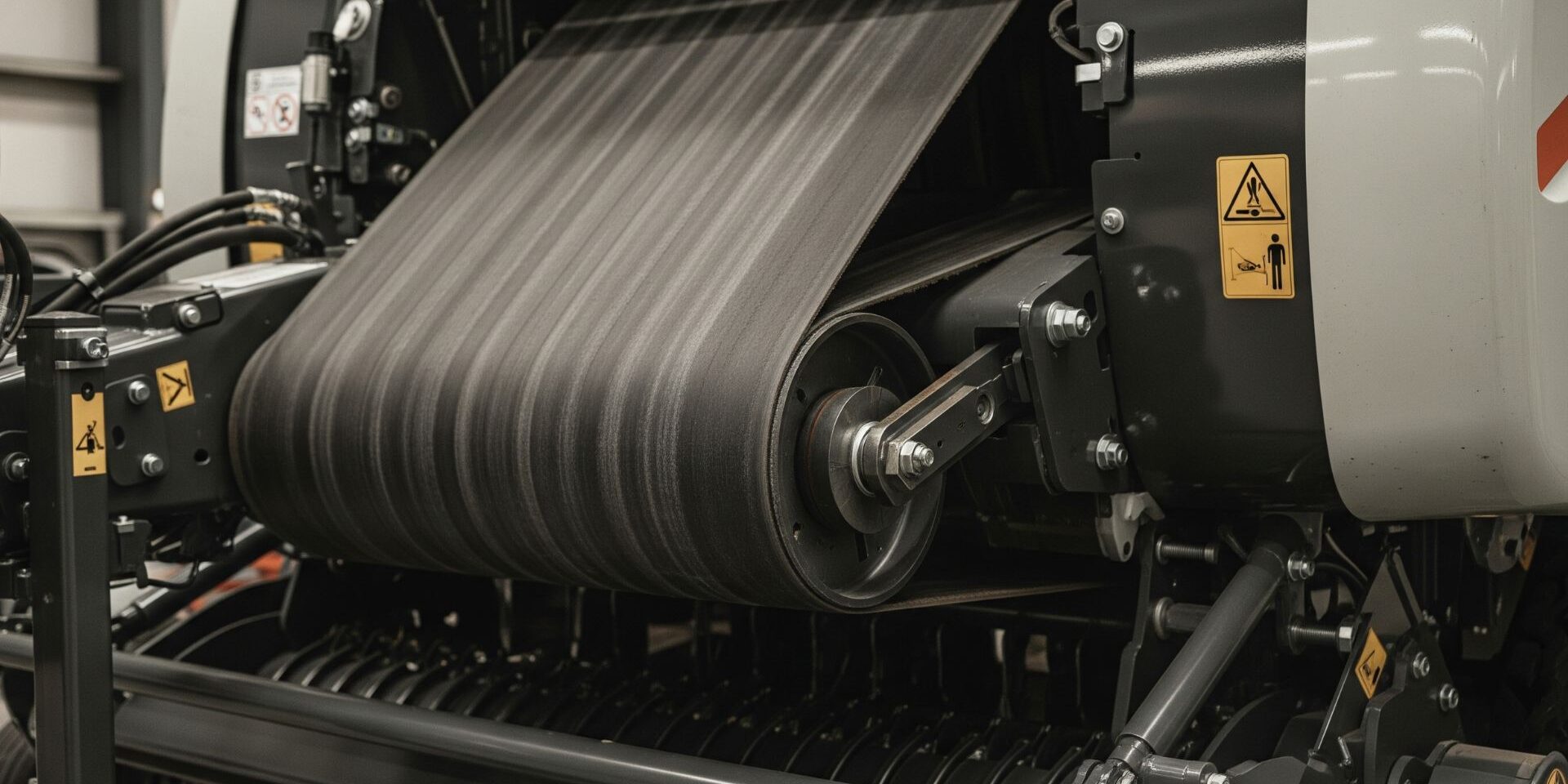
How to Properly Maintain Your Baler Belts for Longevity
At Belting Headquarters, we know that your baler belts are the workhorses of your haying operation. These critical components endure immense stress and wear, yet their longevity is often taken for granted. Proper maintenance isn’t just about preventing breakdowns; it’s about maximizing the lifespan of your hay baler belts, ensuring consistent performance, and protecting your investment. By dedicating a little time to care, you can significantly extend the life of your agricultural belts and avoid costly downtime.
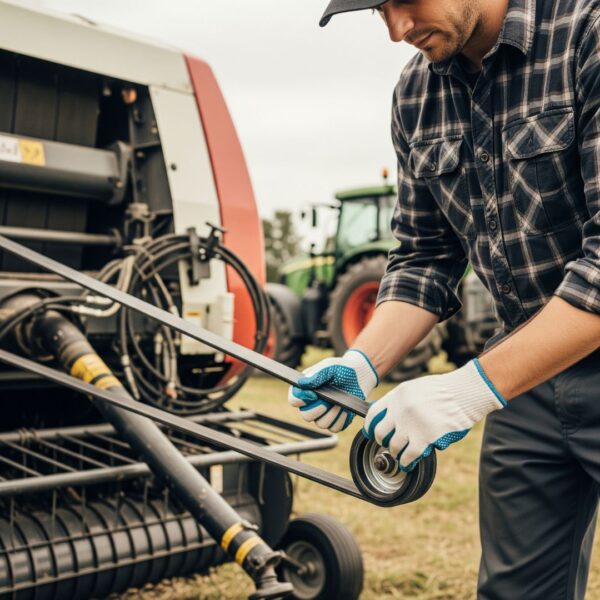
Regular Inspection: Your First Line of Defense
The most crucial maintenance step is routine inspection. Before and after each season, thoroughly examine all your belts for farm equipment. Look for signs of wear, cuts, tears, fraying, or unusual stretching. Pay close attention to lacing and fasteners; worn lacing can lead to belt failure. Early detection of minor issues allows for timely repairs, preventing them from escalating into major problems that shorten the life of your farm belt.
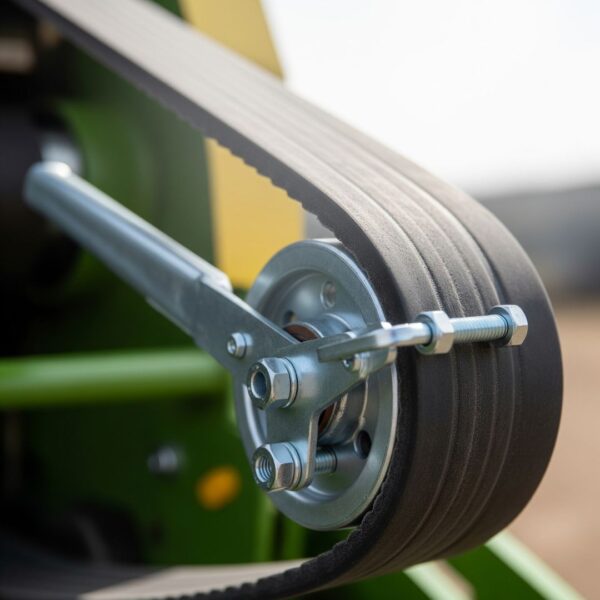
Proper Tensioning: The Sweet Spot
Incorrect belt tension is a common culprit for premature wear. Belts that are too loose can slip, causing excessive heat and accelerated wear, while belts that are too tight can stress the belt material and the baler’s bearings. Consult your baler’s operator manual for the recommended tensioning specifications. Regularly check and adjust tension to ensure optimal performance and longevity.
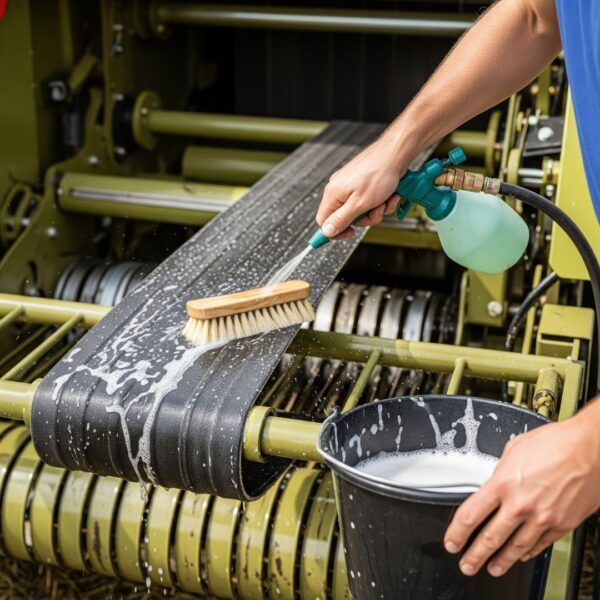
Keeping it Clean: Beyond the Harvest
After each season, take the time to thoroughly clean your baler belts. Remove all hay residue, dirt, and debris. This prevents material buildup that can cause uneven wear or damage. A pressure washer can be effective, but ensure the belts are completely dry before storing to prevent mildew and rot. Clean belts also make inspections more effective.
Smart Storage: Protecting Your Investment
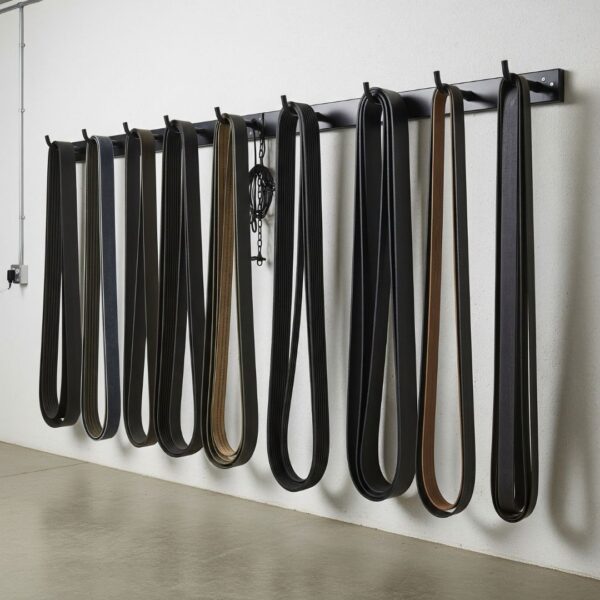
When the baling season is over, proper storage is paramount. Store your hay baler belts in a cool, dry, and dark environment, away from direct sunlight, extreme temperatures, and harsh chemicals. UV rays and temperature fluctuations can degrade the rubber and fabric. Avoid kinking or sharp bends, and consider hanging belts loosely or coiling them without excessive tension to prevent deformation.
By diligently following these maintenance tips, you can significantly extend the operational life of your agricultural belts, ensuring your baler is ready for action year after year. For high-quality replacement belts for farm equipment and expert advice, trust Belting Headquarters. We’re here to help you keep your farm running smoothly and efficiently.
Shop Now