
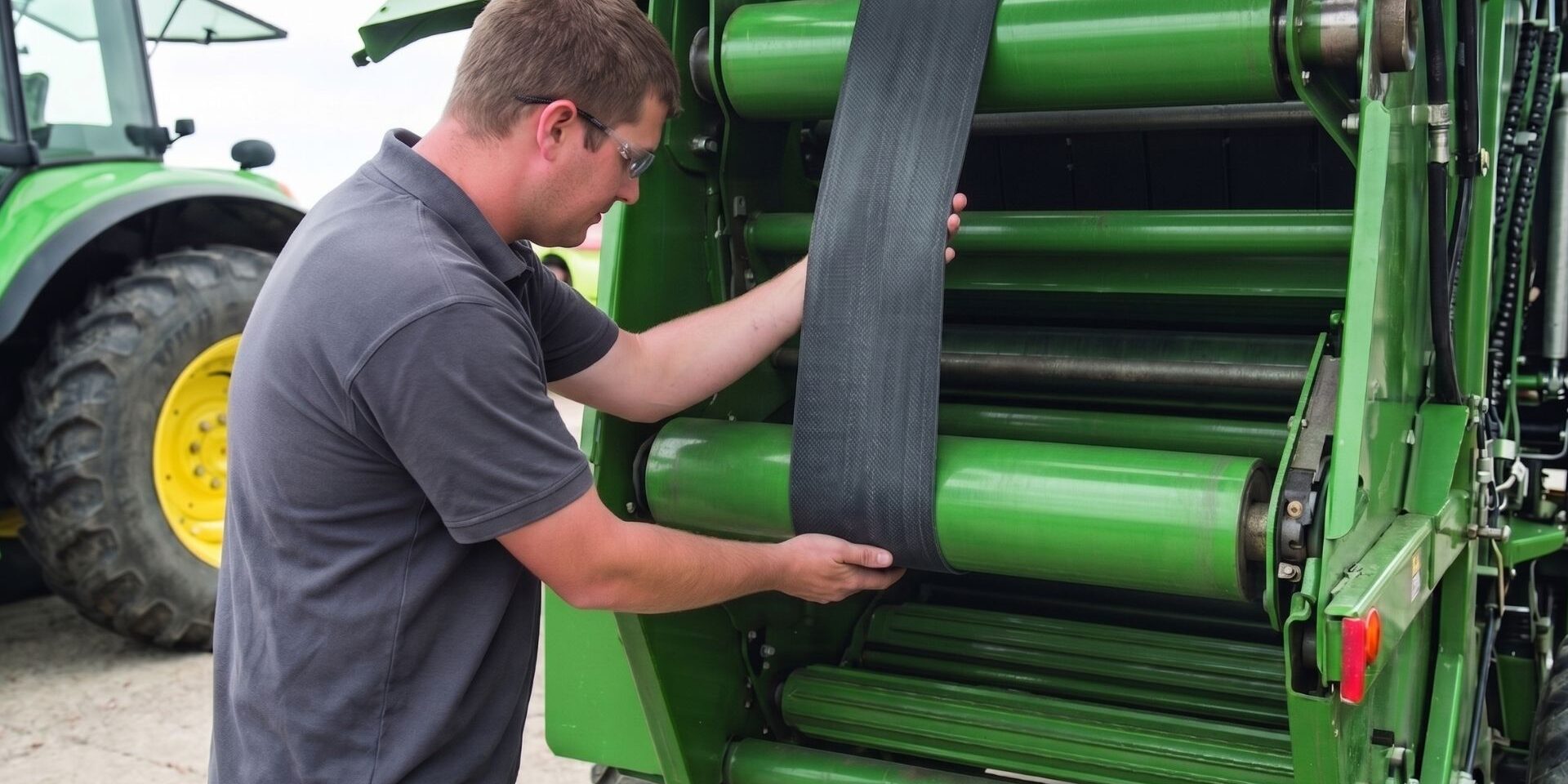
Maximum Life: Best Practices for Storing Hay Baler Belts
As the harvest season approaches, the pressure to maintain peak efficiency in the field grows. We understand that equipment downtime during a tight haying window can be devastating to your bottom line. To mitigate this risk, we always recommend that operators keep a full set of backup belts on hand. Having replacements ready is only half the battle; ensuring those spares remain in pristine condition while in storage is what guarantees a seamless transition when a primary belt fails. By following our storage guidelines, we ensure your farm equipment is always prepared for the heavy demands of the season.

Optimizing Storage Temperature and Humidity
We recommend keeping backup belts in a climate-controlled environment whenever possible to prevent material degradation. High heat can cause the rubber compounds to harden, while excessive moisture can lead to internal fabric rot or mildew. By maintaining a cool, dry storage area, we preserve the flexibility of the belts, ensuring they perform like new the moment they are installed.

Protecting Against UV and Ozone Damage
Sunlight and certain electrical equipment are hidden threats to your inventory. We advise storing spare belts away from windows and heavy-duty motors, as UV rays and ozone can cause the rubber to crack or “weather check.” Keeping your backups in their original packaging or inside a dark cabinet maintains the chemical integrity of the belt, preventing premature brittleness before they ever hit the field.
Proper Positioning to Prevent Deforming
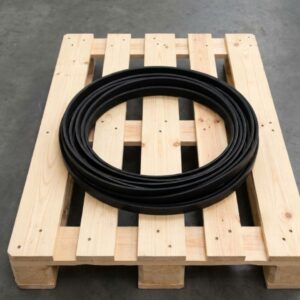
How we stack or hang spare belts significantly impacts their long-term performance. We suggest avoiding hanging belts on narrow pegs, which can cause permanent “set” or kinking in the carcass. Instead, store them coiled loosely on a flat surface or a wide, radiused support. This practice ensures that when a baler belt replacement is needed, the new belt tracks straight and fits the rollers perfectly.
Implementing a Rotation Strategy
To ensure your inventory remains fresh, we advocate for a “first-in, first-out” approach to your backup supplies. We encourage marking each belt with its arrival date and using the oldest stock first during your routine maintenance. This systematic rotation prevents any single belt from sitting too long, ensuring that every piece of equipment we provide is at its maximum strength when the harvest begins.
Properly stored backups are your best insurance policy against the unpredictable nature of the harvest. At PBI Belting Headquarters, we take pride in supplying the high-performance belts that keep your operation running smoothly from the first acre to the last. Whether you need a proactive baler belt replacement or expert advice on a baler belt repair, we are here to support your success. Reach out to PBI Belting Headquarters today to stock up on premium belts and ensure your farm equipment is ready for the busy weeks ahead.