
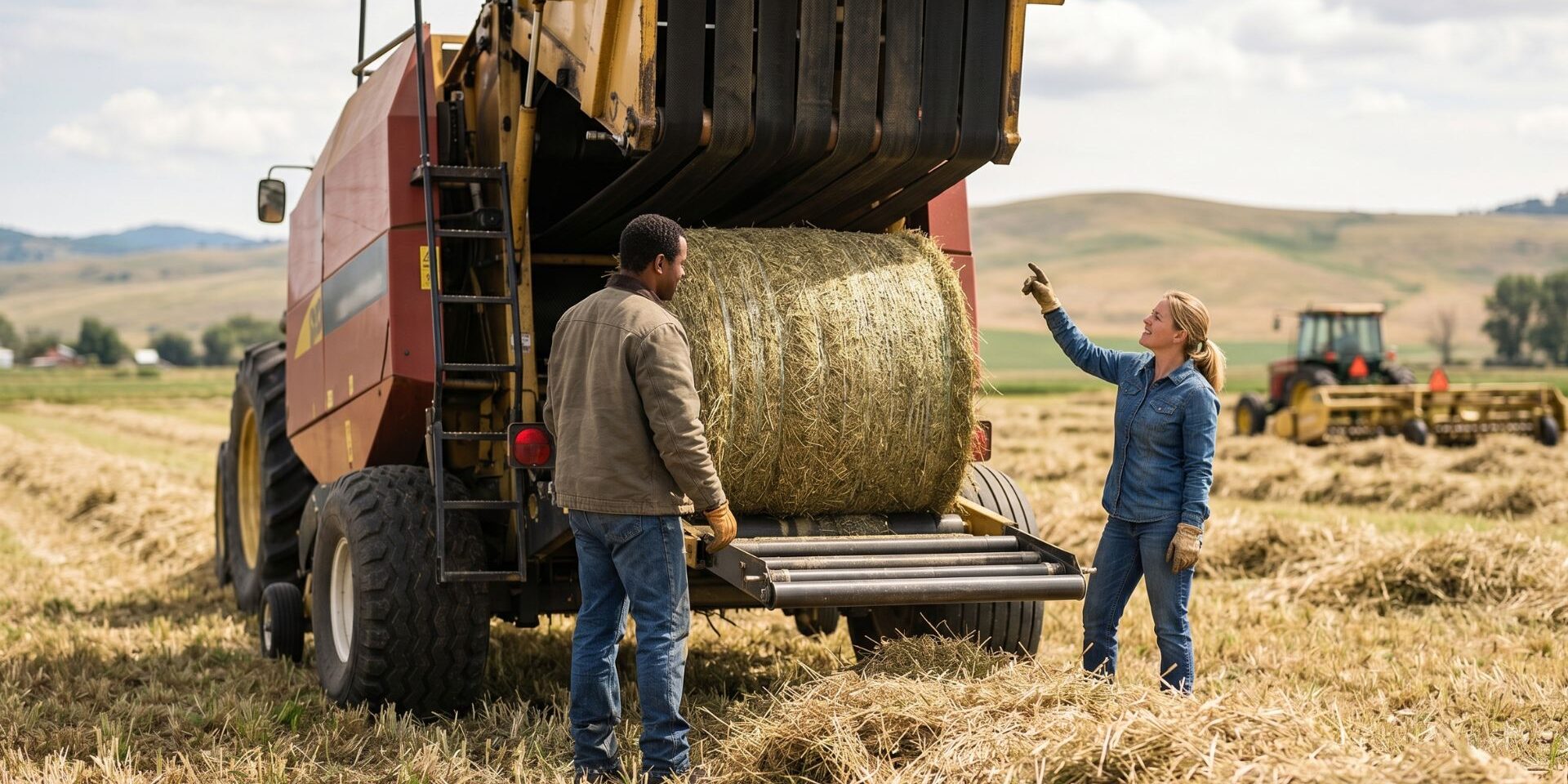
Emergency Field Repairs: How to Fix a Torn Baler Belt in 30 Minutes or Less
In the middle of a haying window, time is your most valuable commodity. When a belt snaps, the pressure is on to get back to work before the weather turns. While replacing round baler belts entirely is sometimes necessary, performing a high-quality emergency field repair can save your afternoon. By following a streamlined process, you can fix your baler belts and be back in the seat in under 30 minutes. Get your replacement baler belts at Belting Headquarters today.
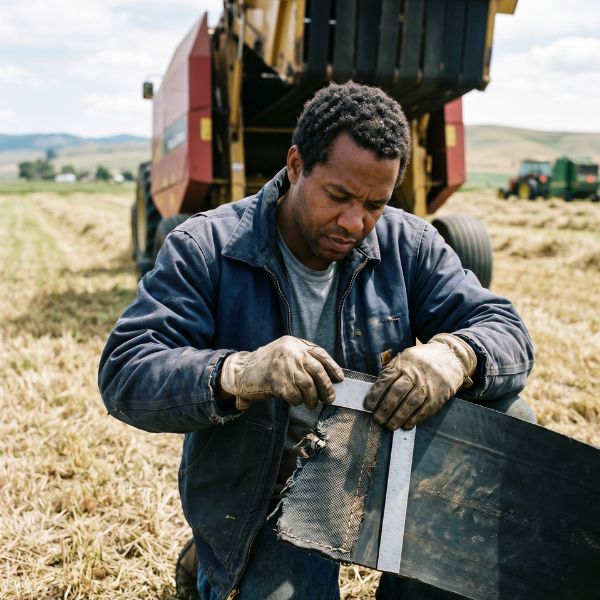
Square the Ends and Prep
The secret to a repair that lasts is a perfectly square cut. Use a belt cutter or a sharp utility knife with a framing square to trim the damaged area. If the edges aren’t 90 degrees, the belt will track poorly and eventually flip or fray. For most round baler belts, removing the minimum amount of material is key to maintaining proper tension across the set. Once squared, ensure the ends are clean of any hydraulic fluid or debris.
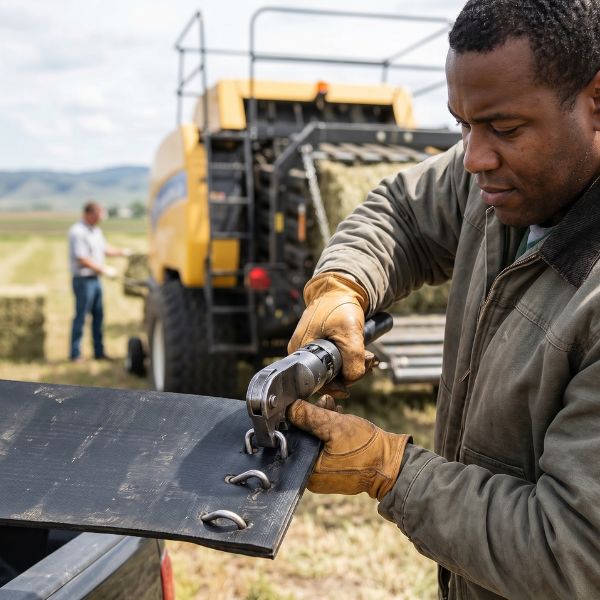
Install the Mechanical Lacers
Modern hay baler belts rely on high-strength mechanical fasteners for quick fixes. Align your lacer (such as a Vice-Lacer or a portable hydraulic tool) onto the belt end. Ensure the hooks are spaced correctly from the edges to prevent “dog-ear” tearing. Drive the hooks flush into the carcass of the belt. A properly recessed fastener won’t catch on the scrapers or rollers, extending the life of your baler belt replacements and protecting your internal components.
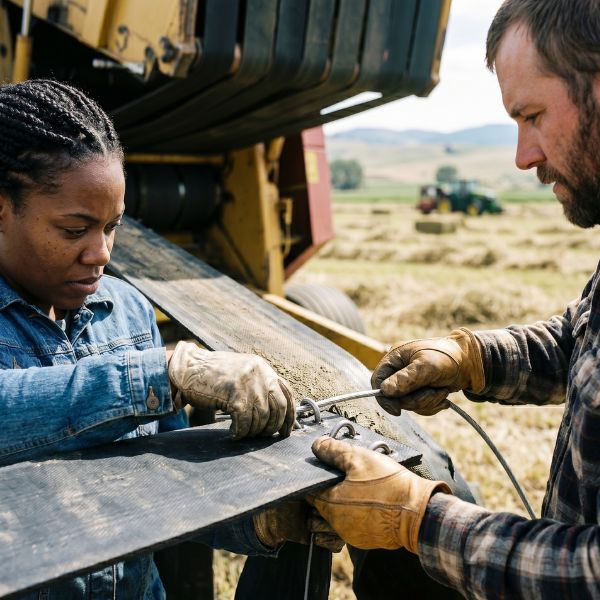
Join and Pin
Thread the baler belt back through the roller path, ensuring there are no twists. Align the loops of the new fasteners and slide the connecting pin—ideally a coated cable or stainless steel pin—through the joint. Cinch the ends of the pin to prevent it from migrating out during operation. This mechanical splice is designed to handle the high tension required for tight, dense bales.
BROWSE ONLINE TODAY
Field repairs don’t have to be permanent headaches. By keeping a splice kit and squaring tool in your truck, you can manage round baler belts issues without losing a full day of productivity. While an emergency fix gets the crop off the ground, always inspect the rest of your set afterward; if you notice consistent thinning, it may be time to contact Belting Headquarters for a full set of professional-grade replacements.