
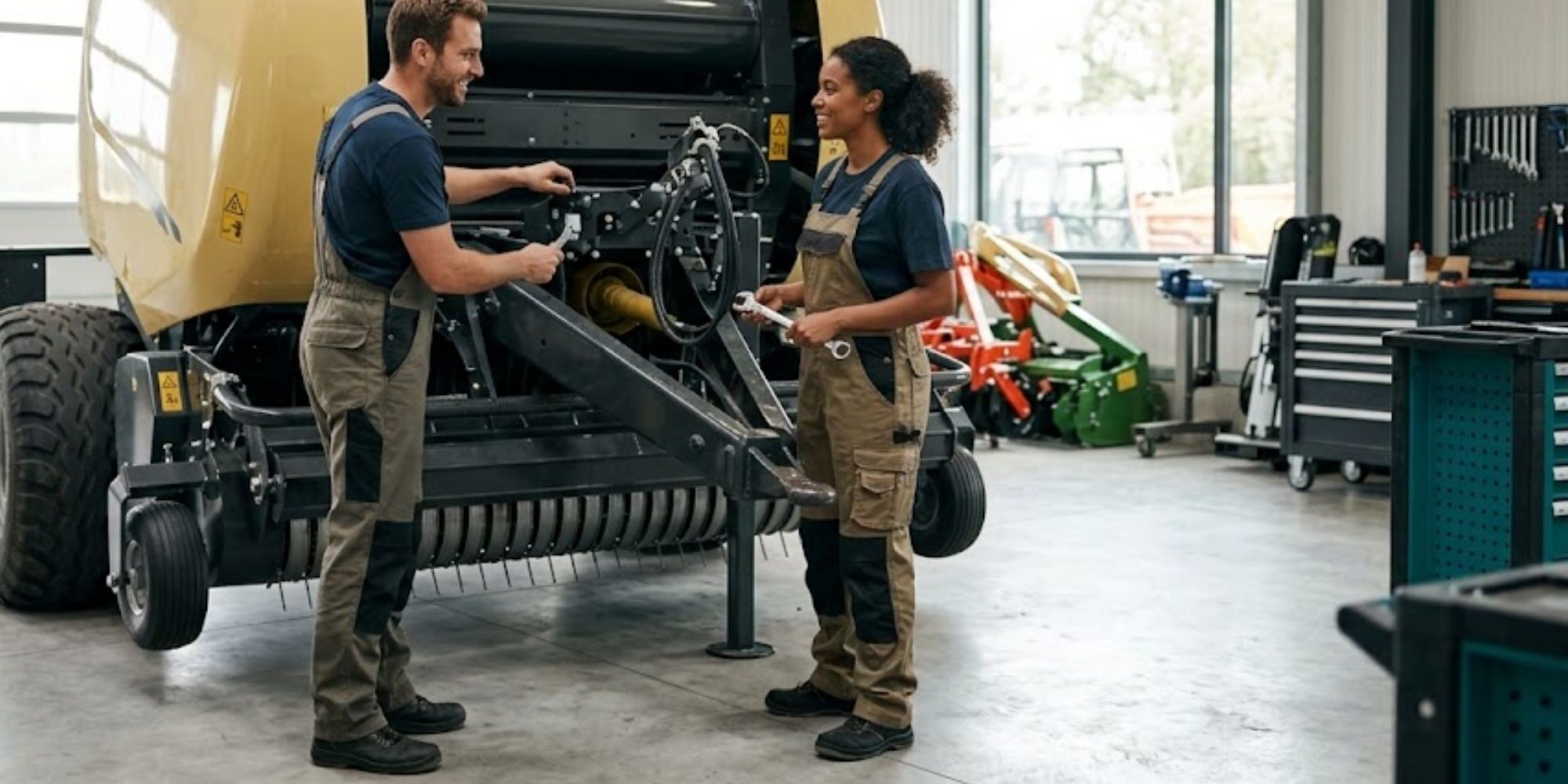
Pre-Season Baler Maintenance: Inspecting and Upgrading Your Belts
Preparing your equipment before the first cut of the season is an essential practice for any successful agricultural operation. Waiting until you are in the field to discover a mechanical issue guarantees stressful delays and lost revenue. Today, we are sharing our proven strategies for effectively inspecting and proactively upgrading your vital baler belts.
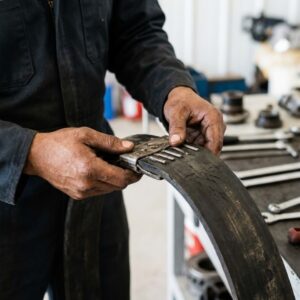
Visual Inspection for Surface Wear
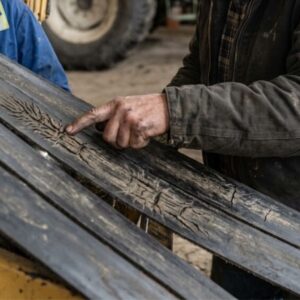
The first step in proactive maintenance involves carefully examining the entire length of your belting for obvious signs of physical distress. Look closely for deep gouges, frayed edges, or missing patches of textured rubber along the surface. Catching structural vulnerabilities early prevents catastrophic tearing when the machine handles heavy, wet forage crops later this season.
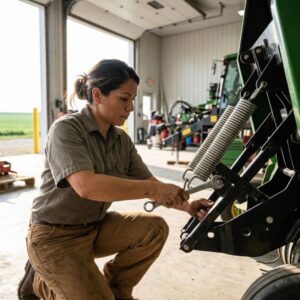
Evaluating Splices and Lacing Hardware
Fasteners and lacing pins experience immense pulling forces during standard operation, making them highly common failure points during harvest. You must thoroughly check each splice for bent hooks, missing rivets, or migrating connecting pins that threaten to separate. Replacing any weakened lacing hardware before the season starts ensures continuous baling without frustrating mechanical interruptions.
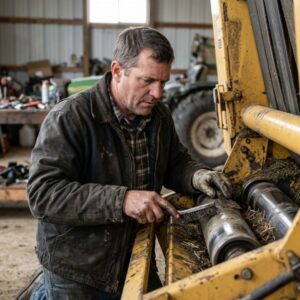
Assessing Tension and Overall Stretch
Rubber materials naturally stretch over time as they handle heavy forage under extreme tension. If you notice your belts sagging loosely over the rollers while disengaged, they have likely exceeded their functional lifespan. Upgrading stretched belts restores the appropriate pressure needed to consistently form tight, well-structured bales throughout the entire grueling summer season.
Clearing Debris from Tracking Rollers
Maintaining clean rollers is absolutely vital for preventing premature belt wear and tracking issues. Accumulated dirt, sap, and crop debris constantly build up on your rollers, causing uneven tension and forcing the belts to wander off-center. Thoroughly scraping and cleaning these components ensures smooth operation and significantly extends the life of your newly installed belting.
Conducting a thorough pre-season inspection is the most reliable way to avoid frustrating breakdowns when your weather window is tight. Replacing worn components right now guarantees a smoother, highly productive harvest later. At Belting Headquarters, we provide top-tier replacement baler belts to upgrade your machinery. Explore our online inventory or contact us to secure your equipment today.