
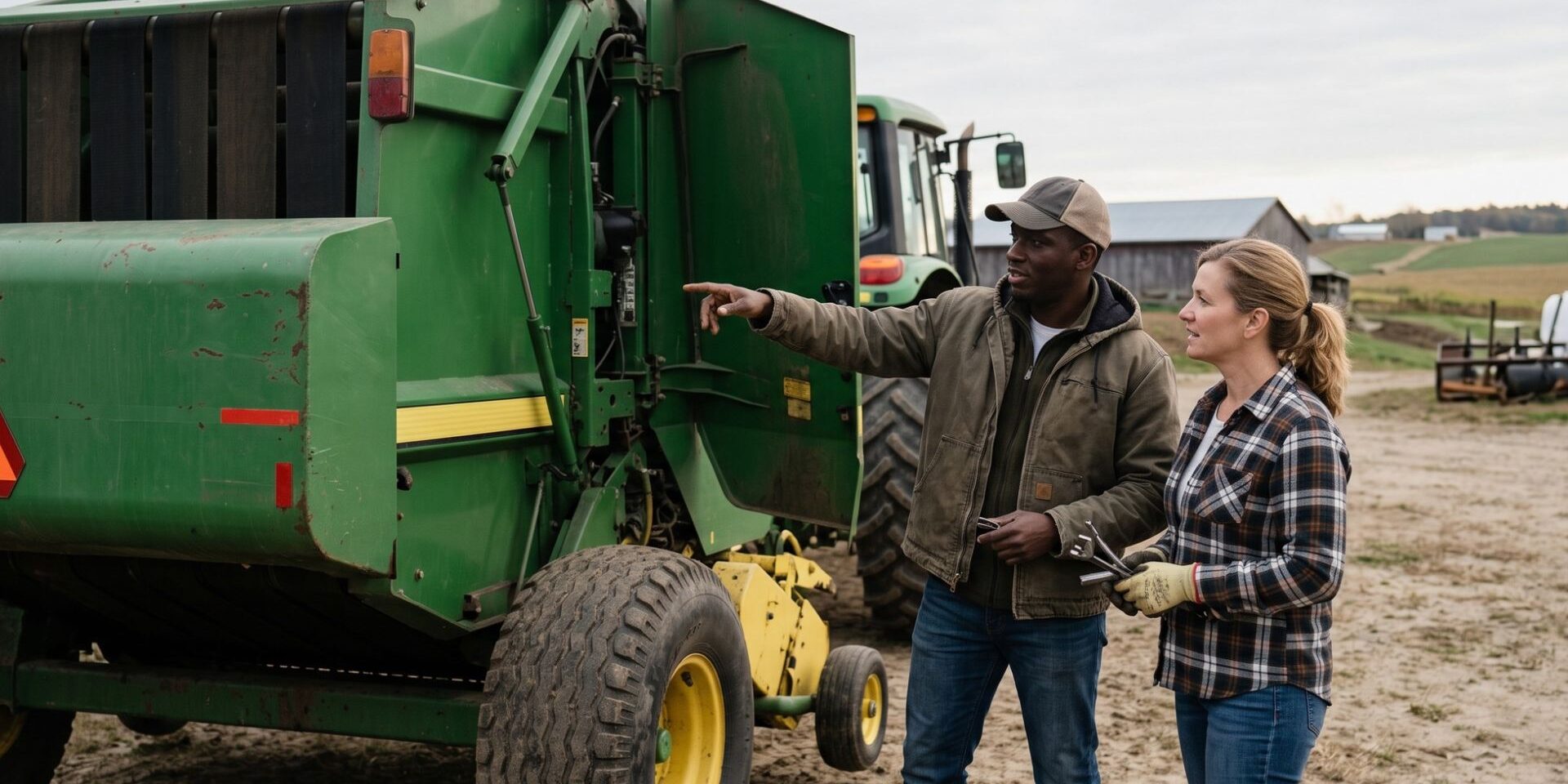
How to Install a New Round Baler Belt Yourself in 3 Easy Steps
Replacing worn equipment before hay season hits is essential for smooth harvesting. At Belting Headquarters, we know that installing your own round baler belts saves valuable time and keeps your operations cost-effective. Replacing baler belts yourself is straightforward when you follow proper procedures, ensuring your machine produces tight, uniform bales every time. Here is a simple guide to doing the job right. Shop today.
Prepare Your Machine and Release Tension
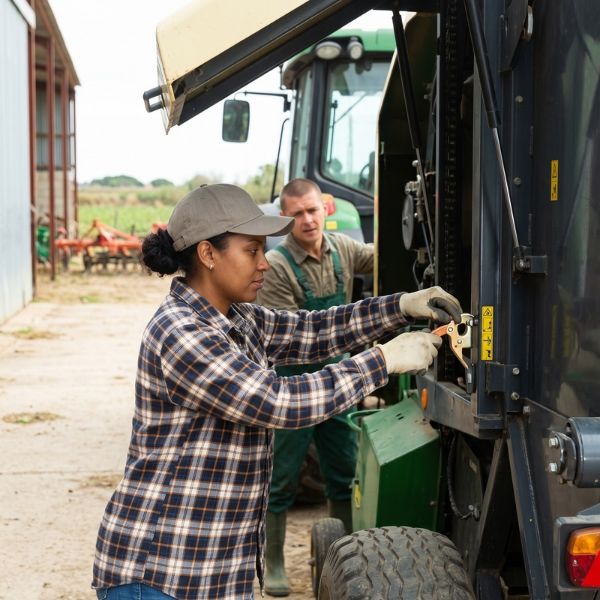
Safety comes first whenever you work on heavy machinery. Park your tractor on flat ground, engage the parking brake, and shut off the engine. Open the baler tailgate and insert the safety locks to secure it. Next, release the hydraulic or spring tension on the existing hay baler belts. Relieving this pressure allows you to remove the old, stretched rubber cleanly without binding against the rollers.
Route the New Belt Through the Rollers
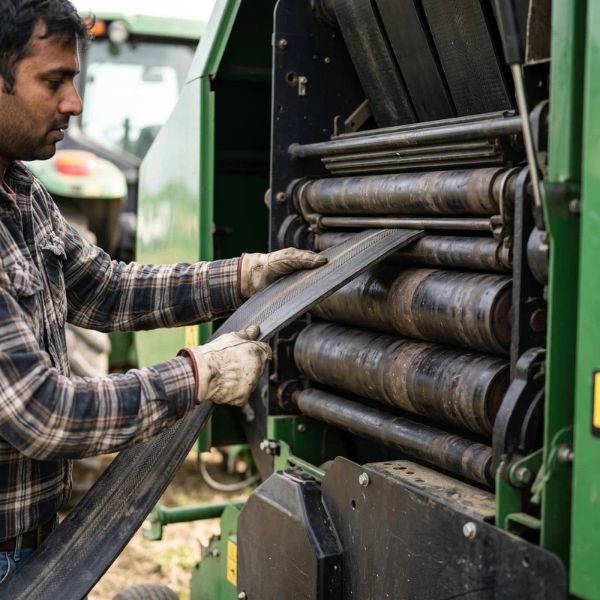
Remove the old belt and use it as a reference for length and width. Thread your baler belt replacements through the roller system, carefully following the manufacturer’s specific diagram for your baler model. Take your time to ensure the belt lies completely flat against every roller without any twists. Proper orientation prevents premature wear and tracking issues once you resume baling.
Align and Secure the Lacing Pin
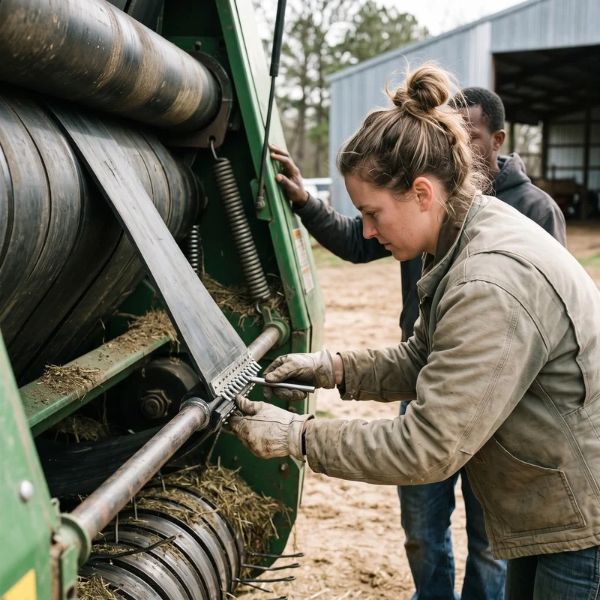
Bring the two ends of the new belt together at an accessible working area between rollers. Interlock the steel lacing teeth completely and slide the connecting pin through the joint. Secure both ends of the pin according to your fastener kit’s instructions. Finally, reapply tension slowly, checking that all hay baler belts align evenly across the width of the chamber.
GET STARTED TODAY
Do not let worn equipment slow down your harvest schedule. Upgrade your machinery today with durable, high-performance round baler belts for sale at Belting Headquarters. Explore our extensive selection of premium baler belts for sale to keep your farm running at peak efficiency!