

Best Practices for Maintaining and Extending the Lifespan of Your Baler Belts
In the fast-paced world of agriculture, where efficiency is paramount, the role of baler belts in the baling process cannot be overstated. To ensure these crucial components continue to operate at peak performance, proper maintenance is essential. Belting Headquarters understands the importance of maximizing the lifespan of baler belts, and in this blog post, we’ll explore the best practices to help farmers achieve just that. Learn more and reach out to us to find baler belts.
Regular Inspections and Cleaning
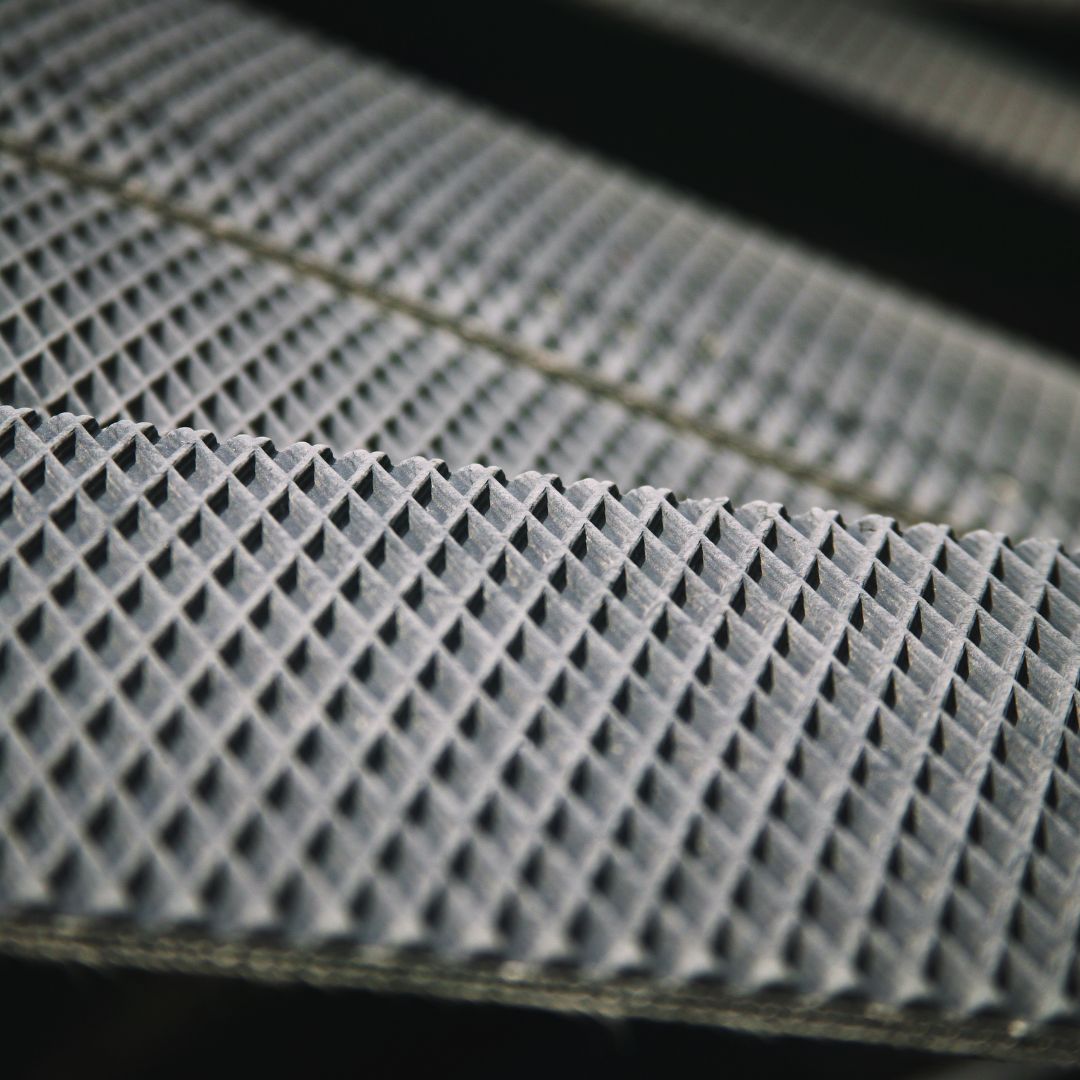
Routine inspections are the foundation of effective maintenance. Regularly check your baler belts for signs of wear, tears, or misalignment. Clean the belts after each use to remove debris and prevent material buildup. This simple practice can go a long way in preserving the integrity of the belts and extending their lifespan.
Proper Belt Tension
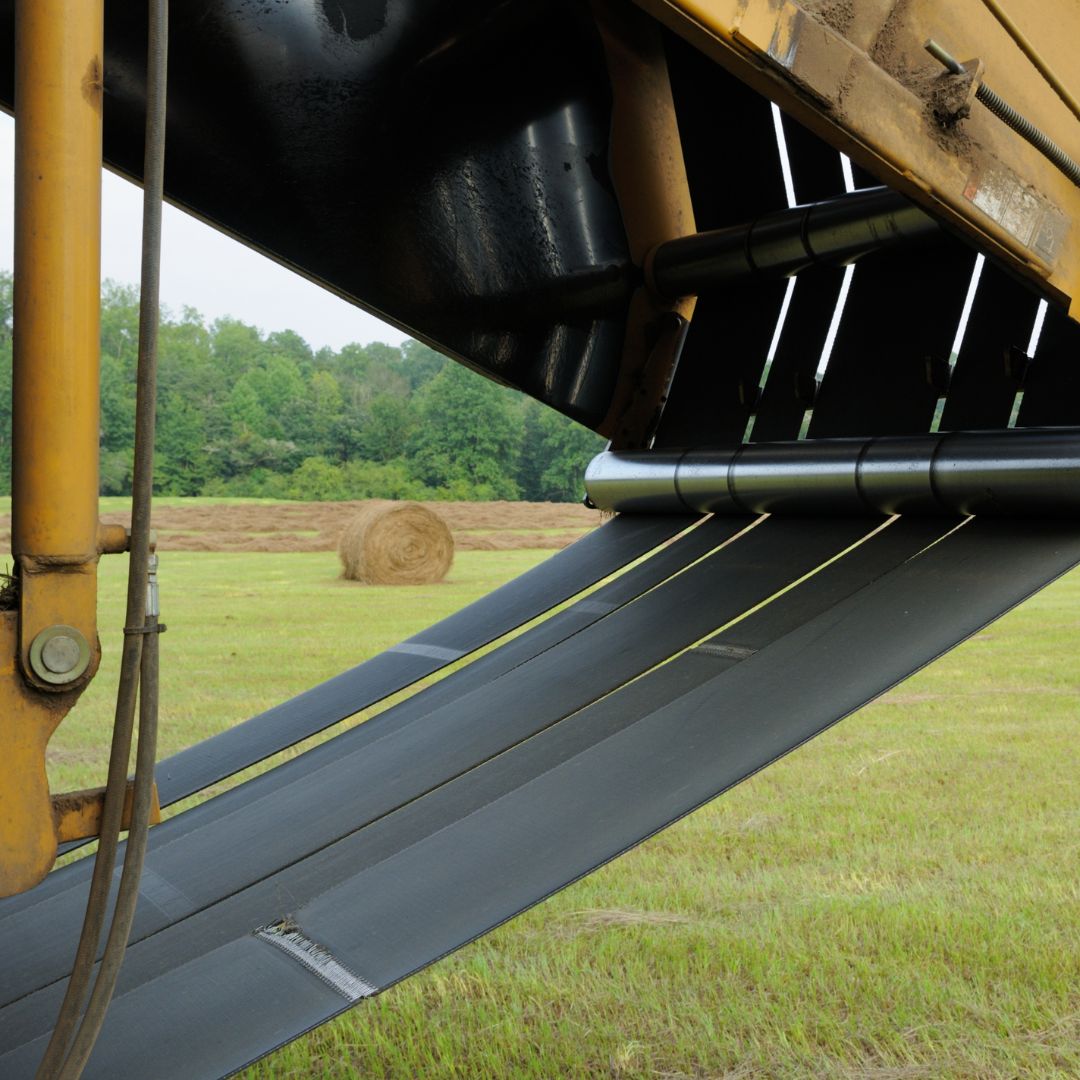
Maintaining the right tension in your baler belts is critical. Too much tension can lead to premature wear, while insufficient tension may cause slippage. Follow the manufacturer’s recommendations for proper tension settings and regularly check and adjust as needed. Proper tension not only extends the life of the belts but also ensures consistent bale formation.

Adequate Lubrication
Just like any machinery, baler belts benefit from proper lubrication. Apply a recommended belt conditioner or lubricant to reduce friction and heat during operation. This not only extends the lifespan of the belts but also contributes to smoother and more efficient baling.
Storage Considerations
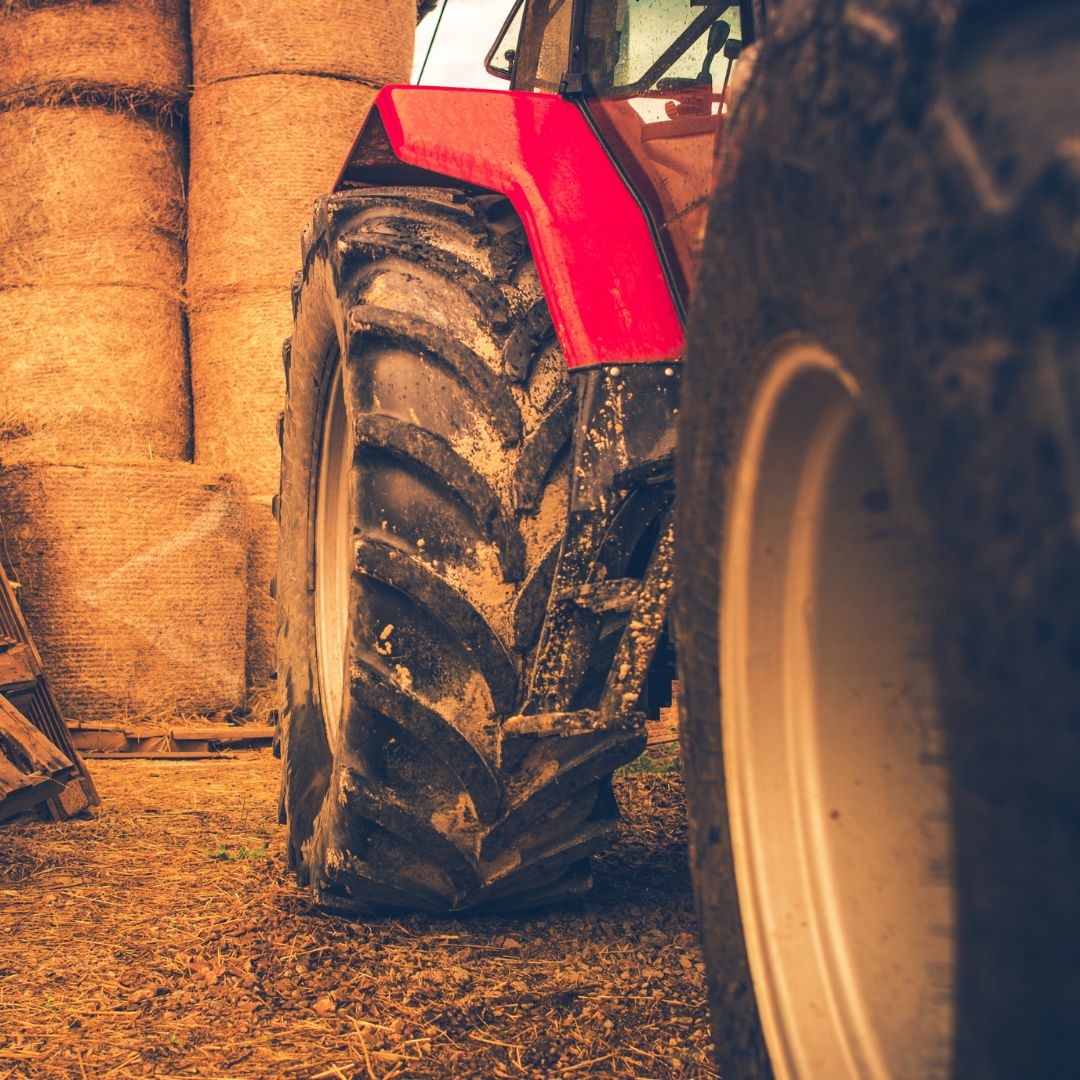
When the harvesting season concludes, proper storage of baler belts is crucial. Clean and thoroughly dry the belts before storing them in a cool, dry place. Avoid exposing them to direct sunlight or harsh weather conditions. Taking these steps will prevent degradation during the off-season and ensure the belts are ready for optimal performance when needed.
Belting Headquarters recognizes the investment farmers make in their equipment, and by adopting these best practices, they can significantly extend the lifespan of their baler belts. Regular inspections, proper tensioning, lubrication, and thoughtful storage are key elements in the maintenance toolkit. By incorporating these practices into your routine, you not only safeguard your investment but also contribute to a more efficient and productive baling process season after season. Get in touch with us to find quality baler belts for your needs!
Browse Baler Belts