
The Challenges of Baling Corn Stalks: Durable Baler Belts for Rough Material
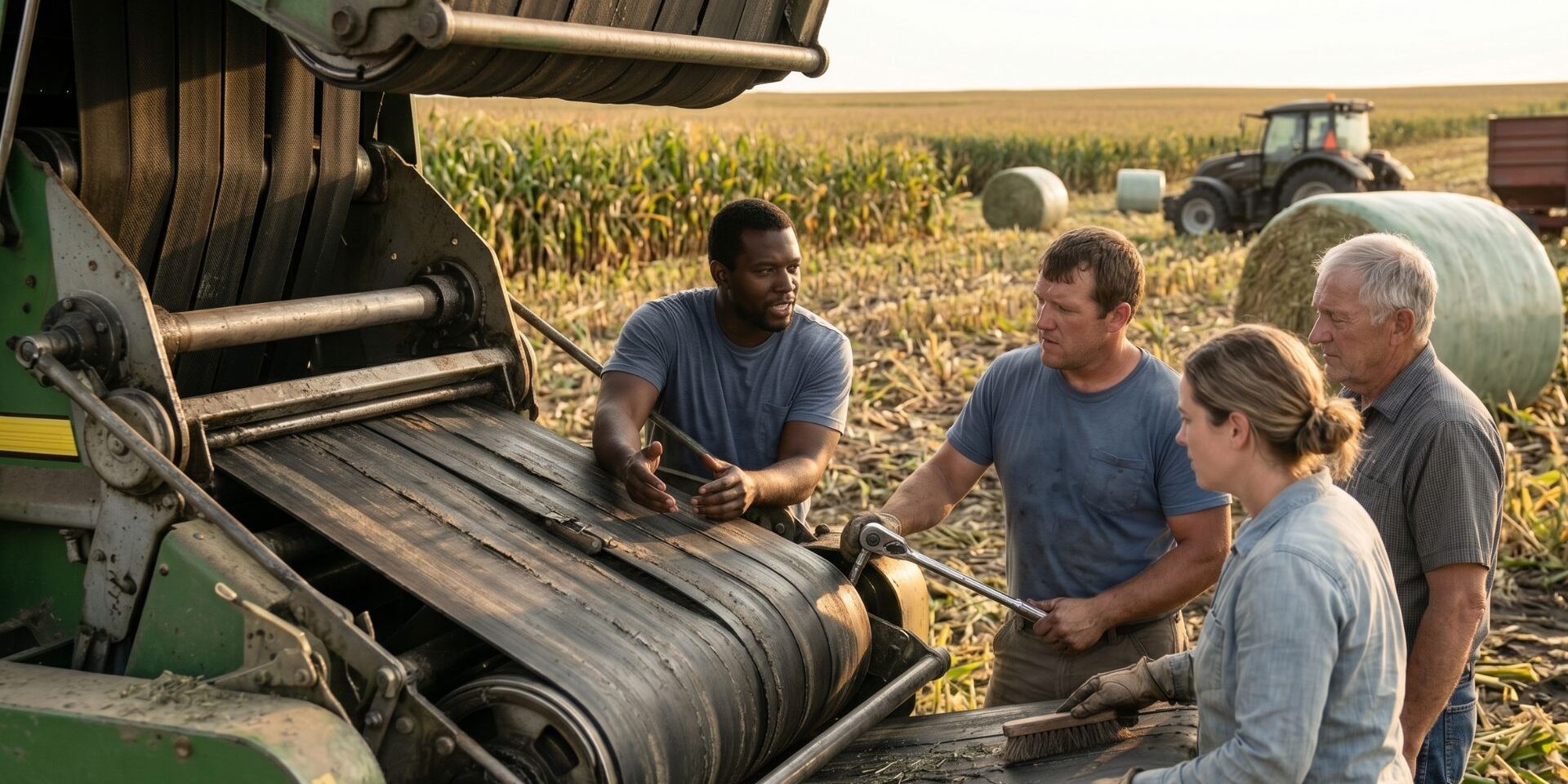
Baling corn stalks is a completely different beast from puttering through a soft field of alfalfa. While corn stover is a valuable resource for bedding and supplemental feed, its abrasive, woody nature can be absolutely brutal on your equipment. If you are heading into the field with worn-out or thin hay baler belts, you’re likely staring down a mid-day breakdown. At Belting Headquarters, we know that corn stalks demand a level of durability that standard belts just can’t provide. Shop today.
Abrasive Resistance is Non-Negotiable
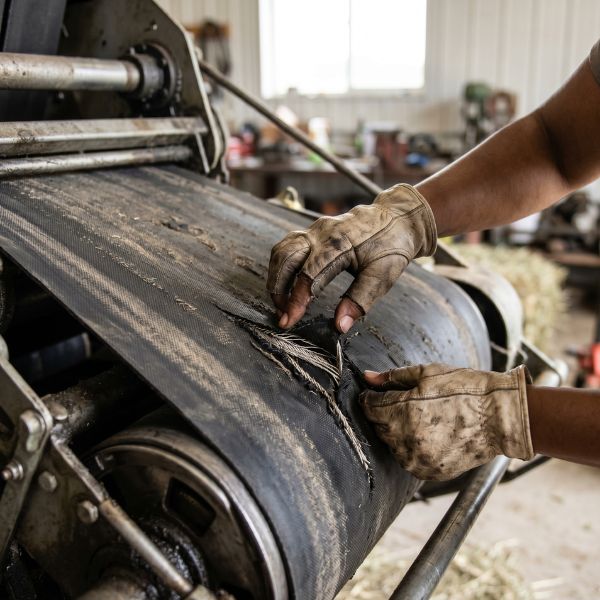
Corn stalks are essentially jagged wooden spears. As they enter the chamber, they constantly scrape against the surface of your round baler belts. Standard belts often suffer from “gouging,” where the outer rubber layer is peeled away, exposing the inner fabric carcass to moisture and rot. Our premium replacements are engineered with a higher-density rubber compound specifically designed to resist this puncture and abrasion.
Handling the High Tension of Heavy Bales
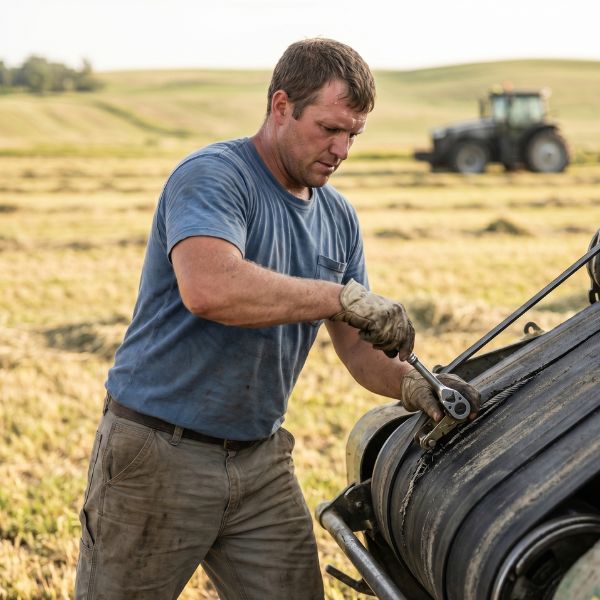
Corn stover is significantly heavier and less compressible than grass. To get a tight, transportable bale, you have to crank up the density. This puts immense strain on your baler belts, especially at the splice points. Our belts feature heavy-duty, multi-ply fabric reinforcement that prevents stretching and ensures your lacing won’t pull through when the pressure is on.
Combating Dust and Debris Buildup
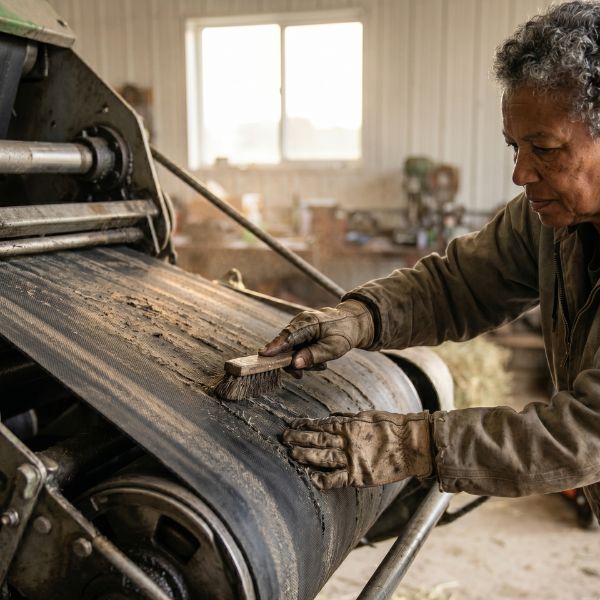
Baling stalks is a dusty, dirty job. Fine grit acts like sandpaper between the belt and the rollers, leading to premature wear. Investing in high-quality baler belt replacements with the correct texture—such as a Diamond Top or Rough Top—ensures that the material keeps moving into the bale rather than slipping and creating friction-related heat that can melt lower-quality rubber.
BROWSE ONLINE TODAY
Don’t let a brittle belt snap when the window for harvest is closing. By upgrading to the rugged, high-tensile baler belts at Belting Headquarters, you ensure your machinery can handle the toughest stalks the Midwest can throw at it. Prepare your baler for the grit of the corn field and keep your harvest moving.