
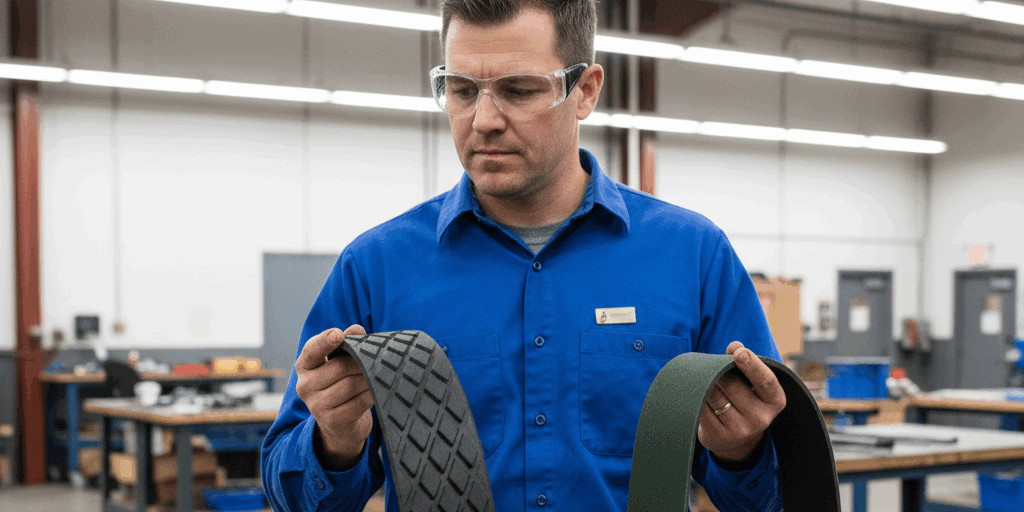
A Comparison of Different Baler Belt Materials
Choosing the right baler belt material is crucial for the efficiency and longevity of your agricultural machinery. The composition of a belt directly impacts its performance, from its tensile strength to its resistance to wear and tear. At Belting Headquarters, we believe that understanding the materials used in your belts is key to making a smart investment. We want to provide our customers with the knowledge to select the best products for their needs, ensuring their farm operates smoothly and profitably.
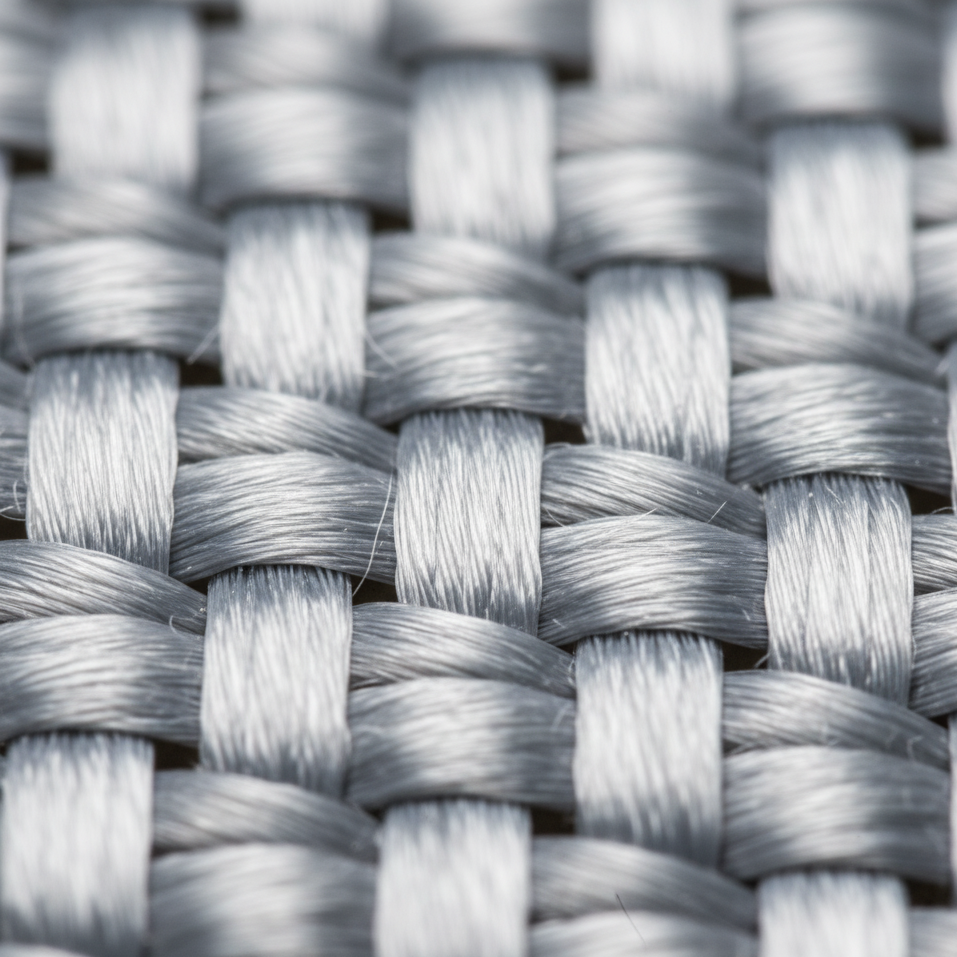
The Role of Polyester and Nylon
Two of the most common materials used in the fabric plies of baler belts are polyester and nylon. Polyester offers excellent tensile strength and low stretch, which is vital for maintaining consistent bale density and minimizing slippage. Nylon provides good impact resistance and flexibility. Often, belts will incorporate a blend of these materials to harness the best properties of each. This combination results in a strong, durable belt that can withstand the rigorous demands of baling while maintaining its shape and tension.
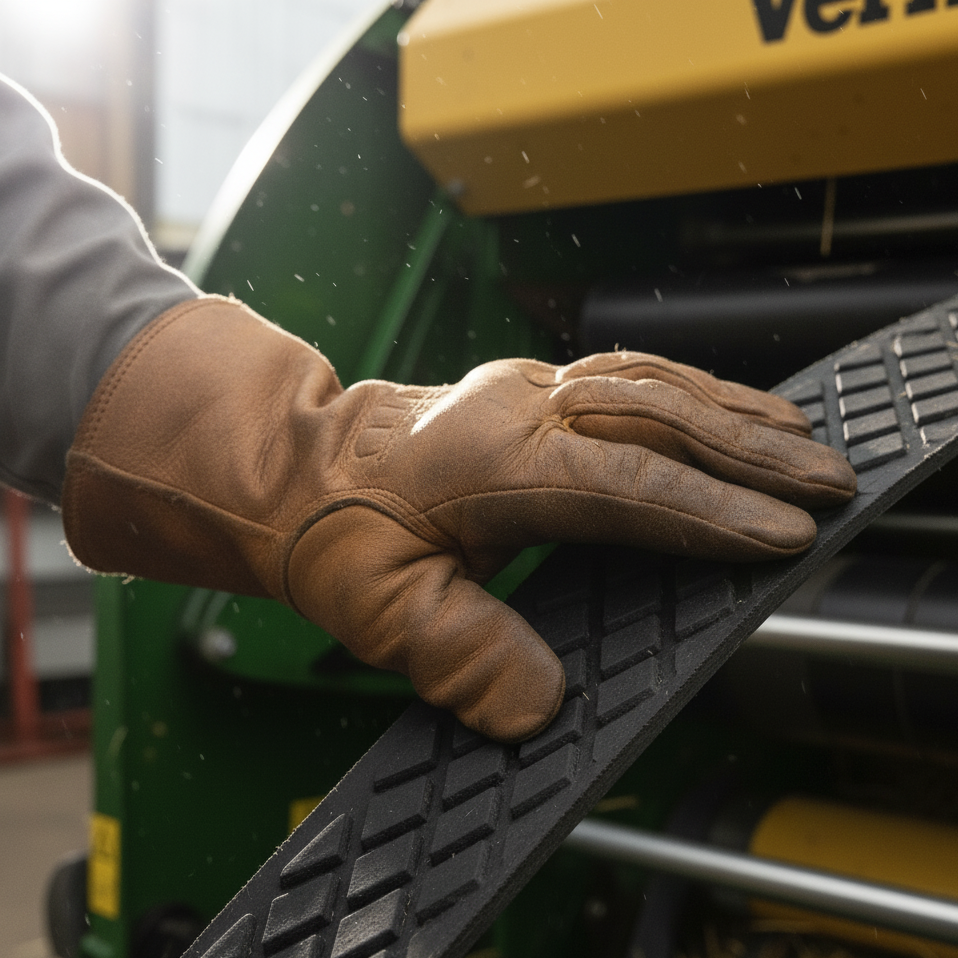
The Importance of Synthetic Rubber
The outer layer of a baler belt is typically made from a synthetic rubber compound. This material is essential for providing the grip needed to form tight bales and for protecting the fabric plies from environmental damage and abrasion. High-quality synthetic rubber is designed to be resistant to oil, moisture, and UV light, which are common culprits of belt degradation. This rubber compound is the first line of defense, ensuring that the internal components remain protected and functional for as long as possible.
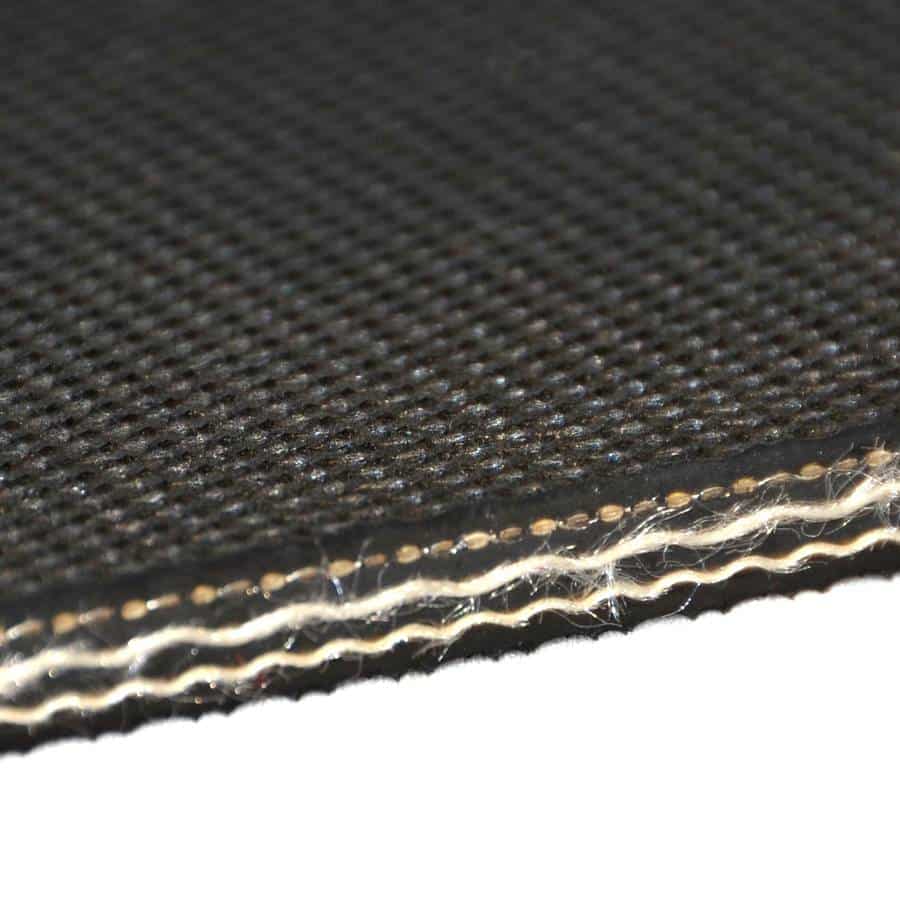
Understanding 3-Ply Construction
Many of our premium belts feature a 3-ply construction. This refers to the three layers of fabric plies, often a combination of polyester and nylon, that form the core of the belt. This layered design provides exceptional strength and durability, preventing the belt from tearing or stretching under heavy loads. The 3-ply construction also contributes to the belt’s overall stability, ensuring it tracks correctly within the baler and provides consistent performance, even in challenging conditions.
Making the Right Choice
Selecting the right belt material comes down to balancing performance and cost. While a higher ply count and advanced materials might come at a premium, the benefits of enhanced durability, reduced downtime, and improved bale quality often outweigh the initial investment. We are here to help you navigate these choices, offering expertise on which materials and constructions are best suited for your specific agricultural machinery and operational needs.
At Belting Headquarters, we are committed to providing you with the highest quality belting solutions. Our diverse product line, featuring advanced materials like polyester and nylon and robust constructions like 3-ply, ensures that we have the perfect belt for your farm. We believe that by understanding the components, you can make an informed decision that benefits your farm’s productivity and profitability. For expert advice on belting and other agricultural machinery, please contact us or visit our website.