
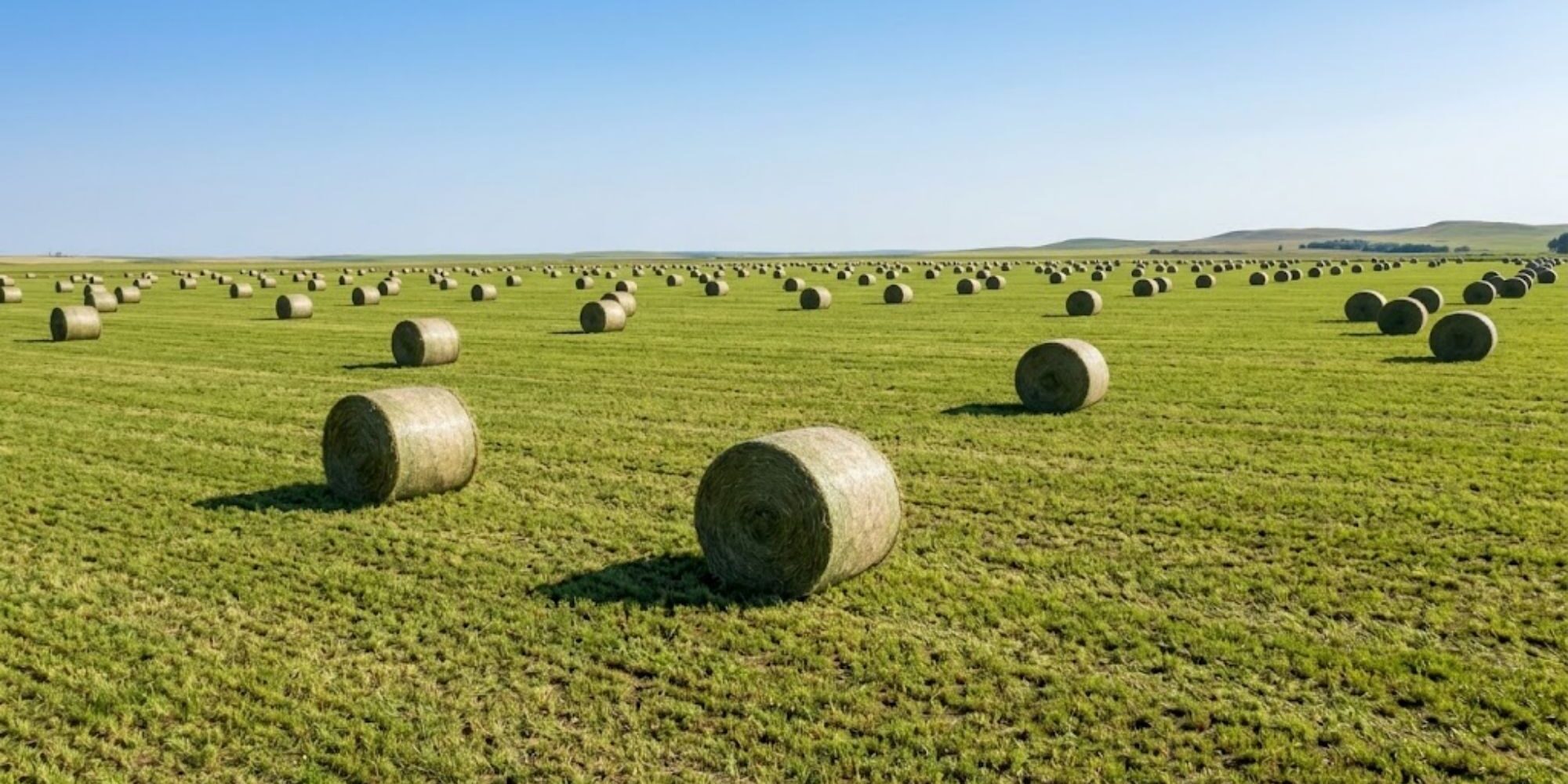
Bale Density and Feed Quality: The Hidden Financial Impact of Belt Slippage
Welcome to another deep dive into maximizing your hay harvest. While it is easy to focus on field conditions and weather windows, the mechanical health of your equipment plays a monumental role in crop payout. Today, we are exploring the critical relationship between baler belt tension, bale density, and the overall quality of your livestock feed.
The Mechanics of Belt Slippage
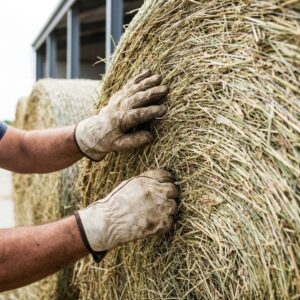
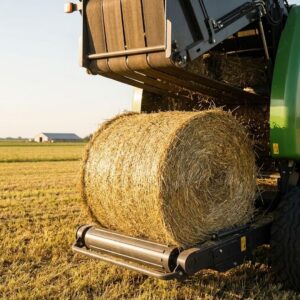
When round baler belts stretch or lose their natural grip, they completely fail to apply consistent pressure to incoming forage. This constant mechanical slippage results in loose, poorly formed bales that lack the tight core necessary for structural integrity. Over time, these compromised belts will drastically reduce bailing efficiency and unnecessarily extend your valuable field hours.
Moisture Retention and Spoilage Risks
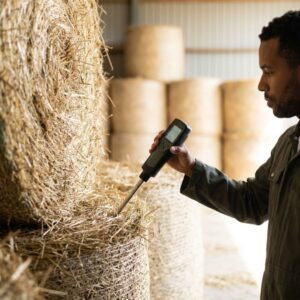
Loose bales are highly susceptible to severe weather damage and unwanted moisture penetration. Without a tightly packed exterior to shed rain effectively, water seeps deep into the hay core, creating an ideal environment for mold and bacterial growth. This internal spoilage inevitably degrades forage nutritional value and creates health risks for your livestock.
Impact on Relative Feed Value
As bales lose critical density and undergo weather-related spoilage, the overall relative feed value plummets significantly. Lower protein levels and reduced digestibility mean your animals receive less nutrition per pound of hay consumed. Consequently, farming operations must purchase expensive supplemental feed to offset these avoidable nutritional deficits, heavily impacting your seasonal profit margins.
Transportation and Storage Inefficiencies
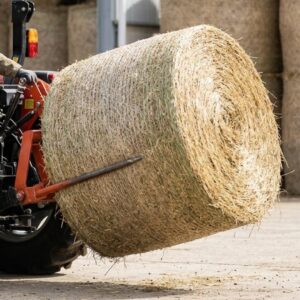
Hauling loosely packed hay drastically increases transportation costs because you are essentially moving air instead of dense forage. Squat, misshapen bales stack poorly onto trailers and within storage sheds, leading to wasted space and unsafe handling conditions. Maximizing your hauling capacity always requires tightly bound, heavy bales crafted by perfectly tensioned belts.
Overlooking belt slippage has a compounding financial impact stretching from the field directly to the feed bunk. Maintaining optimal bale density is crucial for preserving feed quality and maximizing your bottom line. At Belting Headquarters, we offer premium replacement parts to eliminate slippage. Browse our inventory today or reach out to explore our specialized belting solutions.