

Best Practices for Storing Hay Baler Belt
At Belting Headquarters, we know that your hay baler belts are a critical investment, essential for a smooth and efficient harvest. Proper storage of your hay baler belts when not in use can significantly extend their lifespan, ensuring they perform optimally season after season. Don’t let improper storage lead to premature wear and tear, costing you time and money. Follow these best practices to protect your valuable baler belts.

Cleanliness is Key
Before storing your agricultural belts, take the time to thoroughly clean them. Remove all debris, dirt, and hay residue. This not only prevents mold and mildew growth but also helps you identify any potential damage that might need addressing before the next season. A gentle wash with water and a mild detergent, followed by complete drying, is recommended. Ensure the belts are completely dry before storage to prevent material degradation.
Ideal Storage Environment
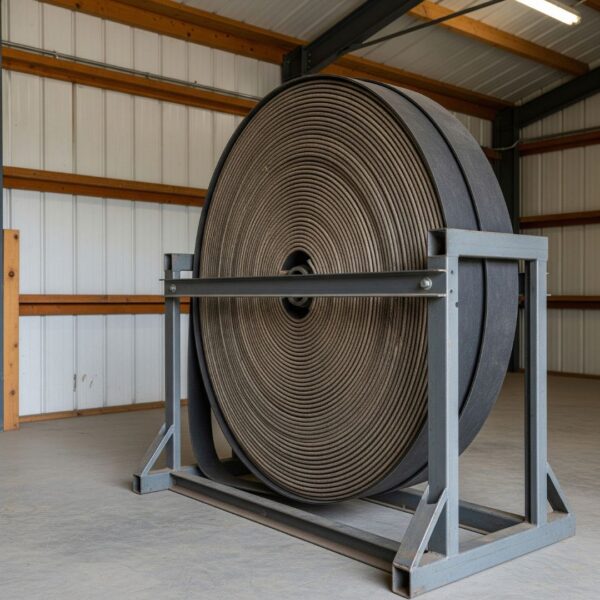
The environment where you store your belts for farm equipment plays a crucial role in their longevity. Choose a cool, dry, and dark location. Extreme temperatures, both hot and cold, can cause the rubber and fabric components to degrade. Sunlight and UV exposure are particularly damaging, leading to cracking and weakening of the material. A climate-controlled shed or a dedicated storage room away from direct sunlight is ideal.
Proper Orientation and Support
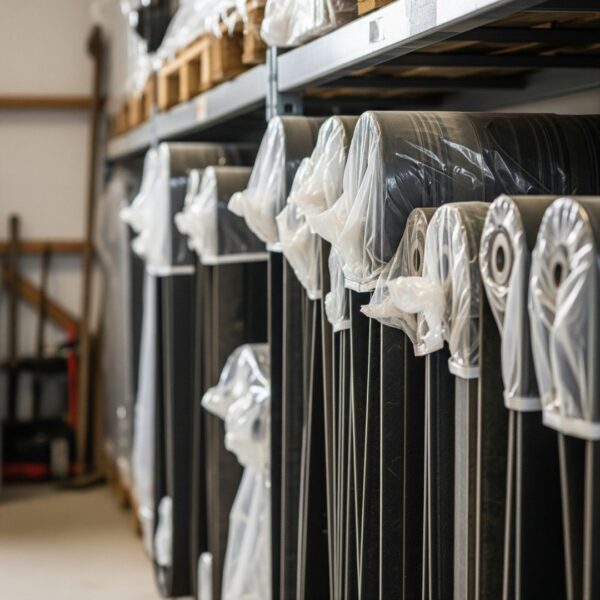
Avoid hanging your farm belts in a way that creates stress points or allows them to kink. Large, heavy belts should be stored flat on a clean surface or rolled loosely without tight bends. If hanging is necessary for smaller belts, ensure they are supported evenly across their width to prevent stretching or deforming. Consider using a sturdy rack or large-diameter hooks that distribute the weight.

Protection from Pests and Chemicals
Mice, rats, and insects can cause significant damage to stored baler belts by chewing on the material. Implement pest control measures in your storage area. Additionally, keep your belts away from chemicals, oils, and solvents. These substances can break down the rubber compounds, leading to weakening and eventual failure of the belt.
Ready for Next Season with Belting Headquarters
By following these best practices, you’ll be well on your way to maximizing the life of your hay baler belts. When you’re ready for your next set of high-quality replacement belts, remember that Belting Headquarters offers the lowest prices and free shipping, ensuring you’re always prepared for a productive harvest.
Shop Now