
Off-Season Storage Checklist: How to Protect Your Baler Belts During Winter Layup
The end of the baling season signals a necessary transition from peak operation to careful storage. Proper off-season preparation is crucial for protecting your valuable baler belts from degradation, ensuring they are ready for immediate, high-performance use when the next season arrives. At Belting Headquarters, we stress that a small investment of time now will prevent costly failures later.
Thorough Cleaning and Inspection
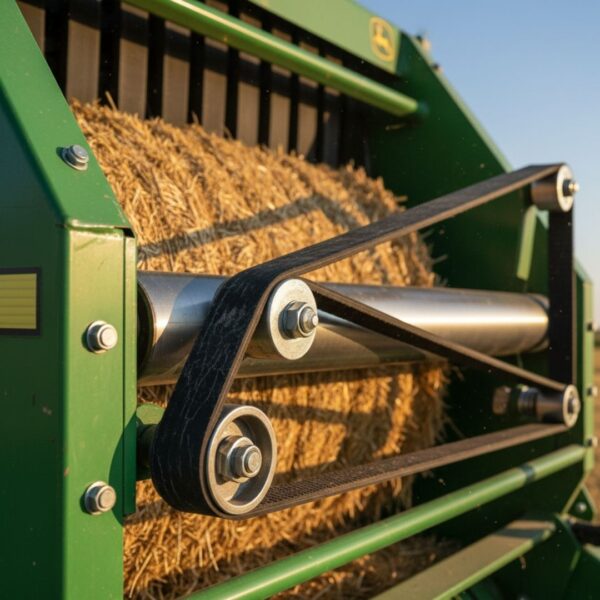
Remove Debris and Contaminants Before storage, every belt must be meticulously cleaned. Use a mild soap and water solution to remove all hay residue, dirt, fertilizer, oil, and grease. These contaminants, if left in place, can chemically degrade the rubber compound and fabric over time. After cleaning, fully dry the belts to prevent mildew or corrosion of fasteners. Inspect the entire length for cuts, embedded foreign objects, or splice wear, flagging areas that require repair or replacement before the next use.
Relieving Belt Tension
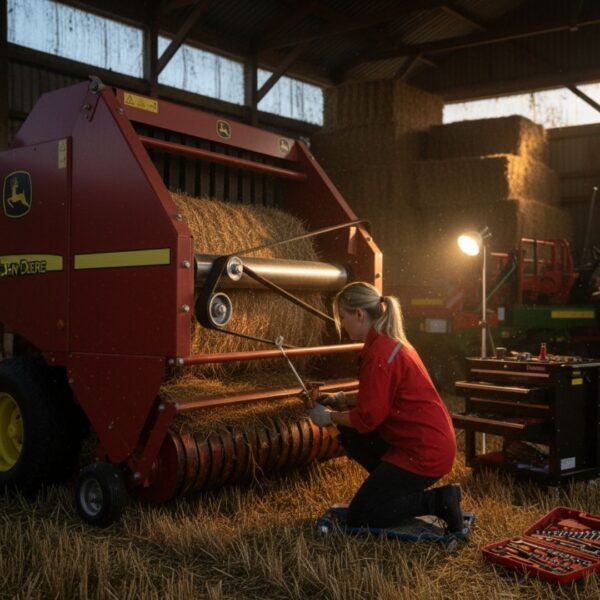
Reducing Static Stress One of the most damaging actions during layup is leaving the belts under full operating tension. Over months of static pressure, this stress can cause permanent deformation (flat spots) where the belts wrap around rollers, and accelerate fatigue in the fabric plies and splices. Always follow the manufacturer’s instructions for relieving tension systems—either by backing off hydraulic pressure or adjusting spring mechanisms—to allow the belts to rest in a relaxed state.
Optimal Storage Environment
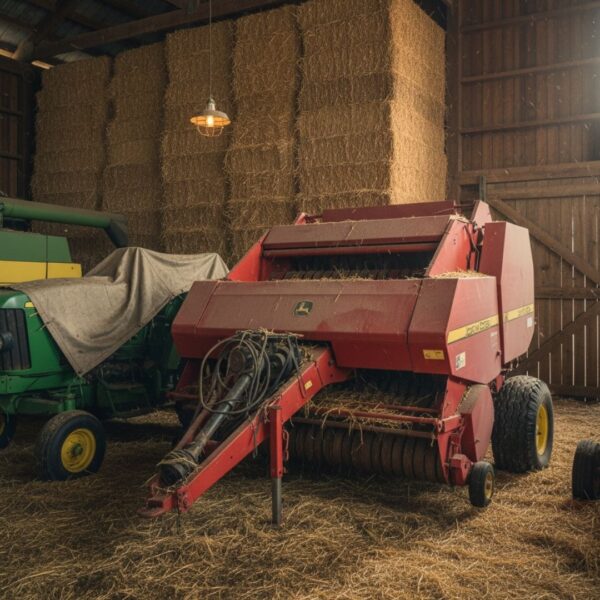
Controlling Temperature and Light The ideal storage environment for baler belts is cool, dry, and dark. Belts should be shielded from direct sunlight, which emits UV radiation that rapidly breaks down rubber compounds, leading to cracking and hardening. Extreme temperature fluctuations, both high and low, can also compromise material integrity. If removing the belts is impractical, store the baler in a closed, well-ventilated barn, covering the belts with a dark tarp to protect them from light and dust.
Positioning and Support
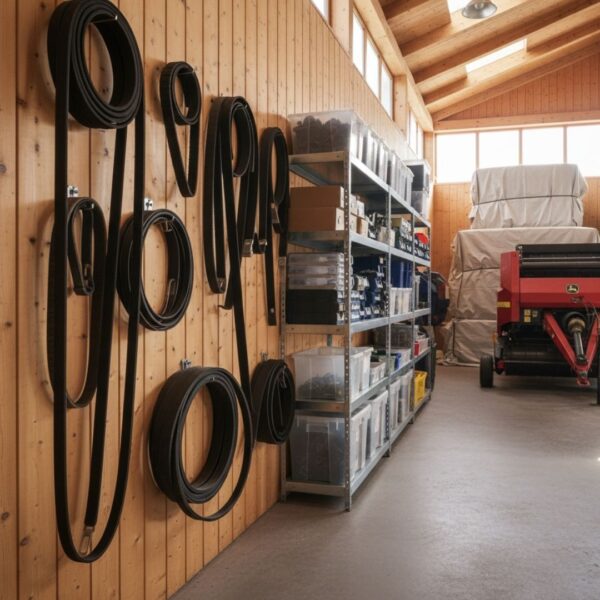
Preventing Permanent Creases If you choose to remove the belts for storage (recommended for long-term layup), they should be rolled loosely, not folded or kinked, and hung on large-diameter racks or laid flat. If remaining on the machine, ensure the weight of the machine is not resting directly on any belt section, which can create pressure points and permanent creases. Periodically rotate the belts slightly during the winter to distribute any static pressure points.
A careful off-season routine is the ultimate maintenance strategy for extending the life of your baler belts and ensuring a rapid start to the next harvest. Following this checklist ensures your belts are clean, relaxed, and protected from environmental damage. For replacement or inspection-grade belts, visit Belting Headquarters before the season begins.