
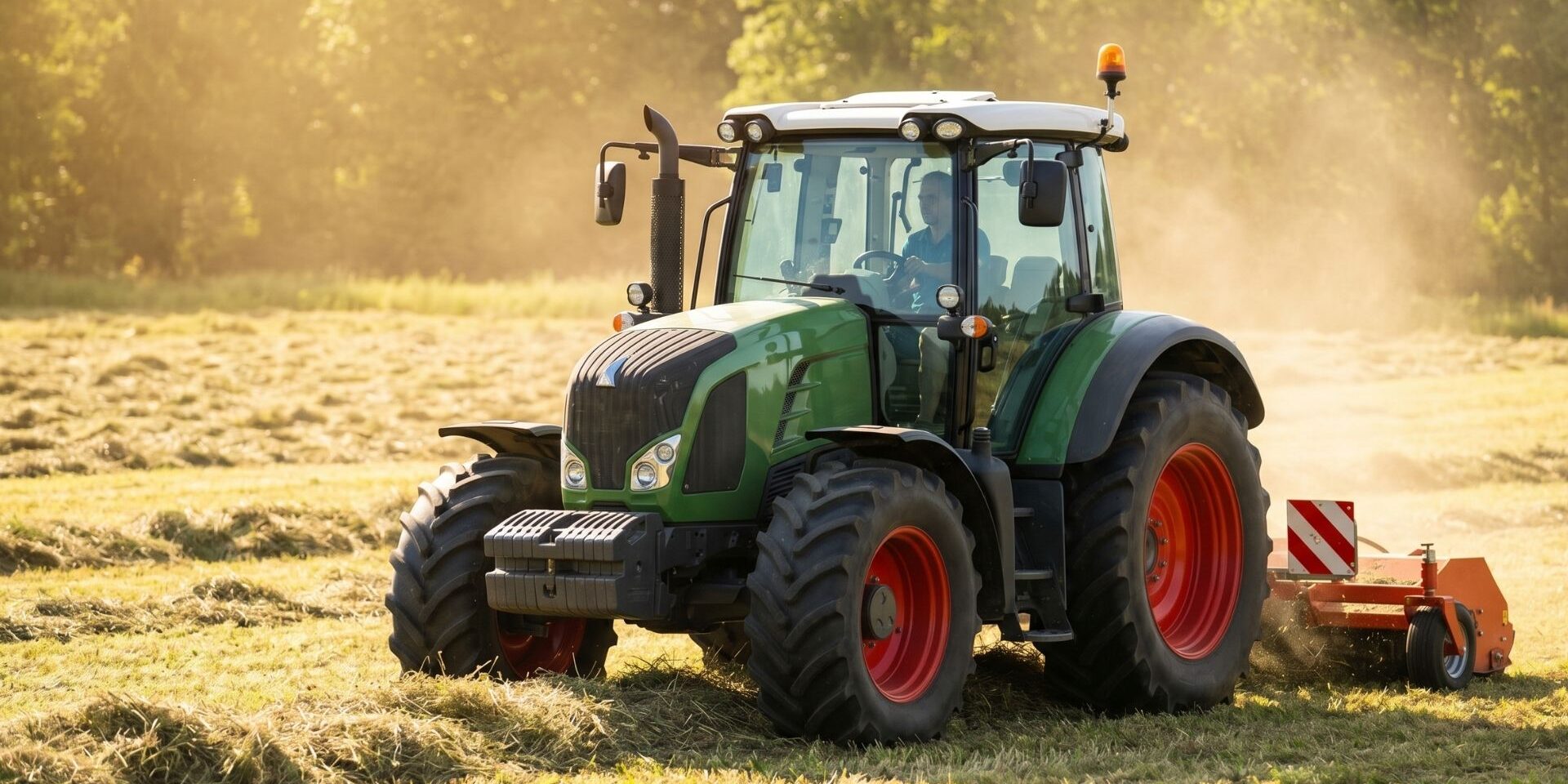
4 Red Flags: Common Signs Your Hay Baler Belts Need Replacement
A productive harvest depends on the reliability of your farm equipment, and your round baler is the heart of that operation. When your belts begin to fail, the quality of your bales and your overall efficiency suffer. Recognizing the early warning signs of wear can save you from costly mid-field breakdowns and ensure a smooth season.
Visible Surface Wear and Smoothing
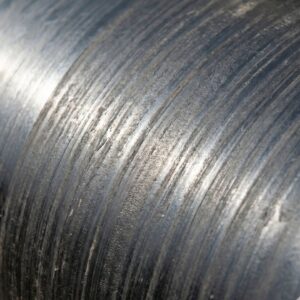
We often see baler belts that have lost their original texture, becoming polished and “slick” after thousands of cycles. When the diamond or chevron pattern wears down to a smooth finish, the belt loses its ability to grip the crop effectively. This lack of traction forces the machine to work harder, leading to inefficient bale formation and increased heat.
Fraying Edges and Exposed Fabric
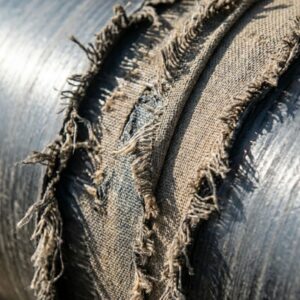
Frayed edges or loose internal fibers are clear indicators that your belts are reaching the end of their functional life. Once the protective rubber wears thin enough to expose the core fabric, moisture and dirt can penetrate the structure, causing rapid degradation. We recommend replacing these immediately to prevent the belt from snapping under the high tension required.
Frequent Splice and Lacing Failure
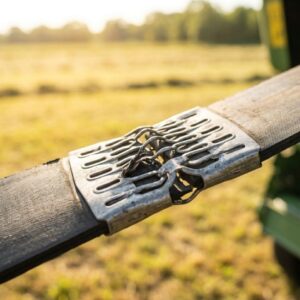
If you find yourself constantly stopping to repair a broken splice or re-lacing the same belt, the material has likely become too weak to hold a fastener. Over time, the belt ends stretch and thin out, making it impossible to maintain a secure connection. Continuous maintenance on old splices is a major drain on your valuable harvest time.

Inconsistent Bale Density or Shape
When we notice bales coming out soft, lopsided, or “coned,” it usually points to uneven belt stretching. If one belt in the set has elongated more than the others, it creates uneven pressure across the bale chamber. This lack of uniform tension results in poor-quality bales that are difficult to transport, store, and sell to your customers.
Maintaining high-performing farm equipment is essential for a successful season, and staying ahead of belt wear is the best way to prevent unexpected downtime. By keeping a close eye on surface texture, edge integrity, and bale consistency, you can ensure your machinery remains in peak condition. At PBI Belting Headquarters, we provide premium, durable solutions designed to handle the toughest field conditions. We invite you to explore our selection of high-quality replacement belts or reach out to our technical team for expert advice on your specific baler model.