
The Ultimate Guide to Baler Belt Tension: Why It Matters and How to Adjust It Correctly
In the demanding world of hay and forage production, the efficiency of your baler hinges on one critical factor: baler belt tension. Correctly maintained tension ensures optimal performance, minimizes downtime, and ultimately protects your investment. At Belting Headquarters, we understand that proper adjustment is key to maximizing the lifespan of your belts and producing consistently high-quality bales.

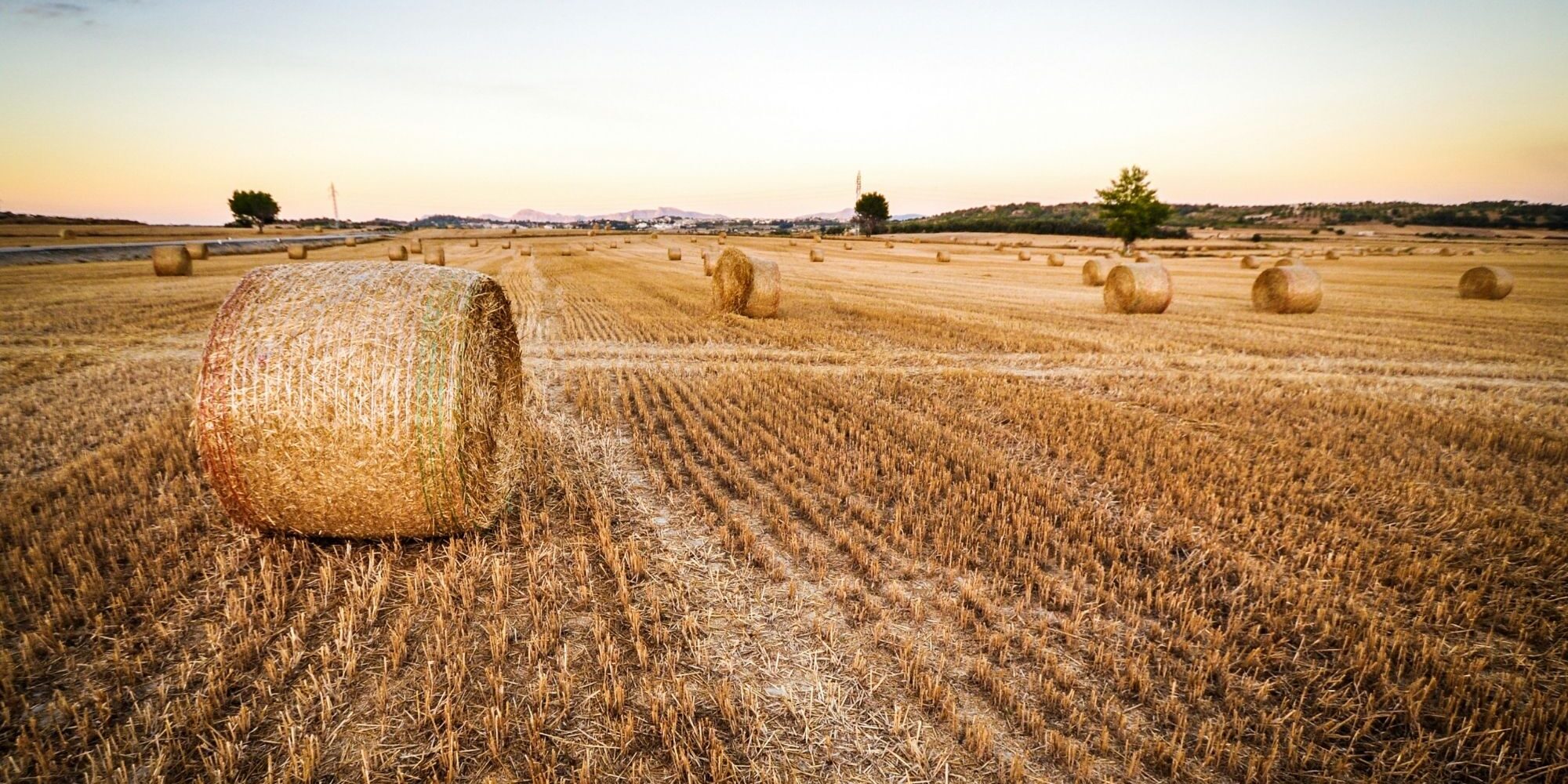
Impact on Bale Density and Shape
Symptom of Incorrect Tension: Poor Bale Quality Inadequate tension leads to loose, poorly formed bales that are difficult to handle, stack, and transport, compromising feed quality and storage. Over-tensioning, conversely, strains components and accelerates wear on bearings and belts. The right tension allows the baler to apply uniform pressure, resulting in dense, weather-resistant bales that hold their shape from field to feed bunk.
Preventing Belt Slippage and Premature Wear
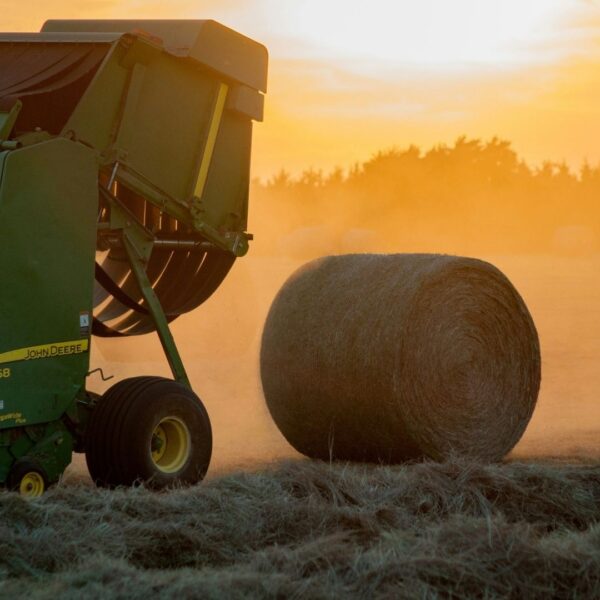
Minimizing Operational Wear and Tear Slipping belts are a common issue stemming from low tension, causing unnecessary heat buildup, glazing, and rapid material degradation. This not only slows your operation but significantly shortens the service life of expensive belts. Proper calibration prevents slippage, ensuring consistent grip on the material, which is essential for maintaining a smooth, efficient operation.

The Correct Tensioning Procedure
A Step-by-Step Approach to Adjustment Always refer to your baler’s original equipment manufacturer (OEM) specifications for the exact tension setting. The procedure typically involves cleaning the belts, inspecting rollers for wear, and then using a tension gauge to incrementally adjust the spring or hydraulic system. Consistency across all belts is paramount; a professional check is recommended after any major belt replacement to ensure balanced force distribution.
Safety and Component Longevity
Protecting Machinery and Personnel Correct tension is a safety measure. Less strain on the system reduces the risk of sudden component failure, while proper function limits material jams. By adhering to recommended specifications, you protect your expensive machinery from catastrophic damage and ensure a safer working environment.
Optimizing baler belt tension is a straightforward yet essential maintenance task that pays dividends in operational efficiency and product quality. Visit Belting Headquarters today for premium baler belts and expert advice to keep your equipment running at peak performance.