

Tips and Tricks for Proper Storage of Baler Belts During Off-Season
As the off-season approaches, every farmer needs to give due attention to the proper storage of their baler belts. By taking appropriate steps to store these essential components of your machinery, you can ensure they stay in great condition and maximize their lifespan. In this blog, Belting Headquarters will share valuable tips and tricks to help you store your baler belts effectively.
Cleaning and Drying the Baler Belts
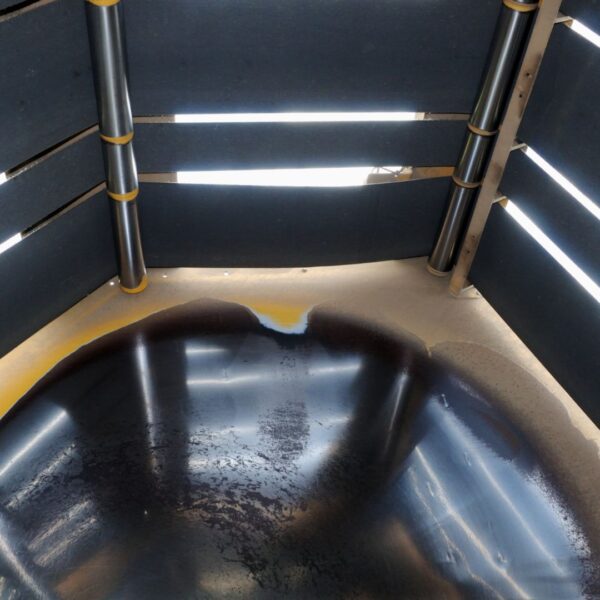
Before storing your baler belts, it is crucial to clean and dry them thoroughly. Remove any dirt, debris, or crop residue that may have accumulated during the last hay season. Use a brush or compressed air to gently remove any stubborn residue. After cleaning, make sure the belts are completely dry to prevent mold or mildew growth during storage.
Loosening and Storing the Belts
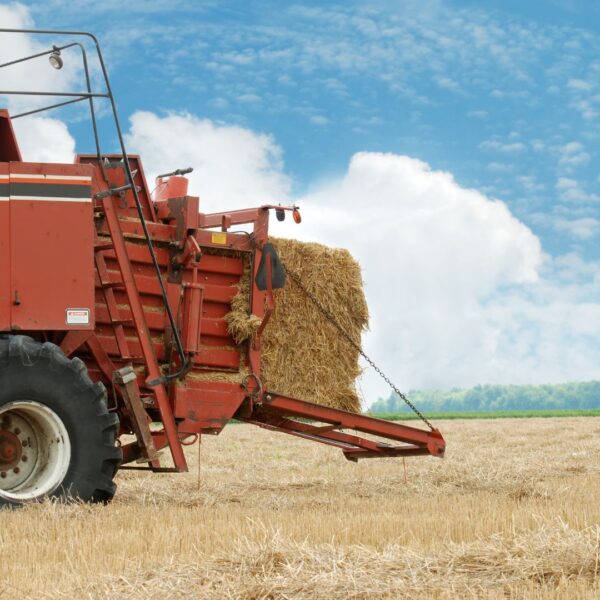
Loosen the tension on the belts before removing them from the baler. This reduces stress on the belts and minimizes deformation during storage. Once loosened, carefully roll the belts to avoid creating any kinks or bends. Store the belts in a clean, dry, and well-ventilated area, away from direct sunlight and extreme temperatures. Excessive heat or moisture can damage the belt material, causing it to deteriorate prematurely.
Properly Coiling the Belts
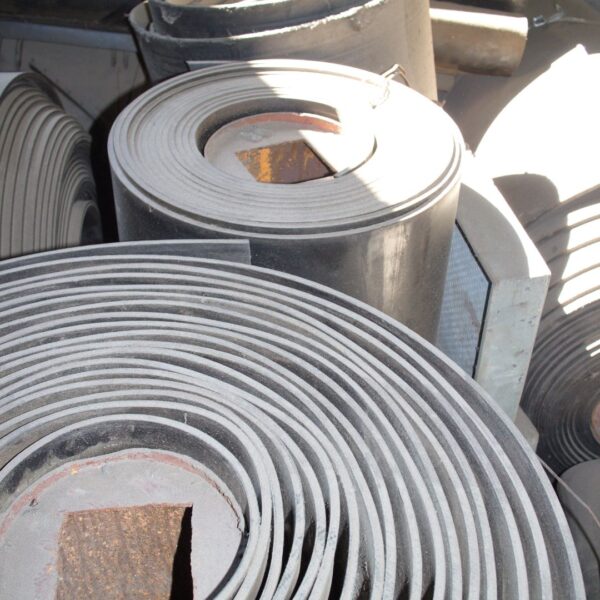
Coiling the baler belts properly is essential to prevent damage and ensure easy reinstallation when the new season arrives. Follow the manufacturer’s instructions or consider using a belt coiler tool to achieve a tight, even coil. Improperly coiled belts can lead to twists or tangles, which can weaken the belts’ performance and durability.
Regular Inspection During Storage
Even during storage, it’s crucial to inspect the baler belts regularly. Check for any signs of wear, tears, or deterioration. Catching potential issues early can prevent them from worsening and causing unnecessary downtime during the next hay season. Make necessary repairs or consider replacing the belts if there are significant damages.
Proper storage of baler belts during the off-season is a fundamental aspect of maintaining the durability and performance of these crucial farming components. By following Belting Headquarters’ tips and tricks outlined above, you can ensure that your baler belts remain in top shape and ready for the next hay season. Reach out to our expert team for quality baler belts today!
Contact Us