
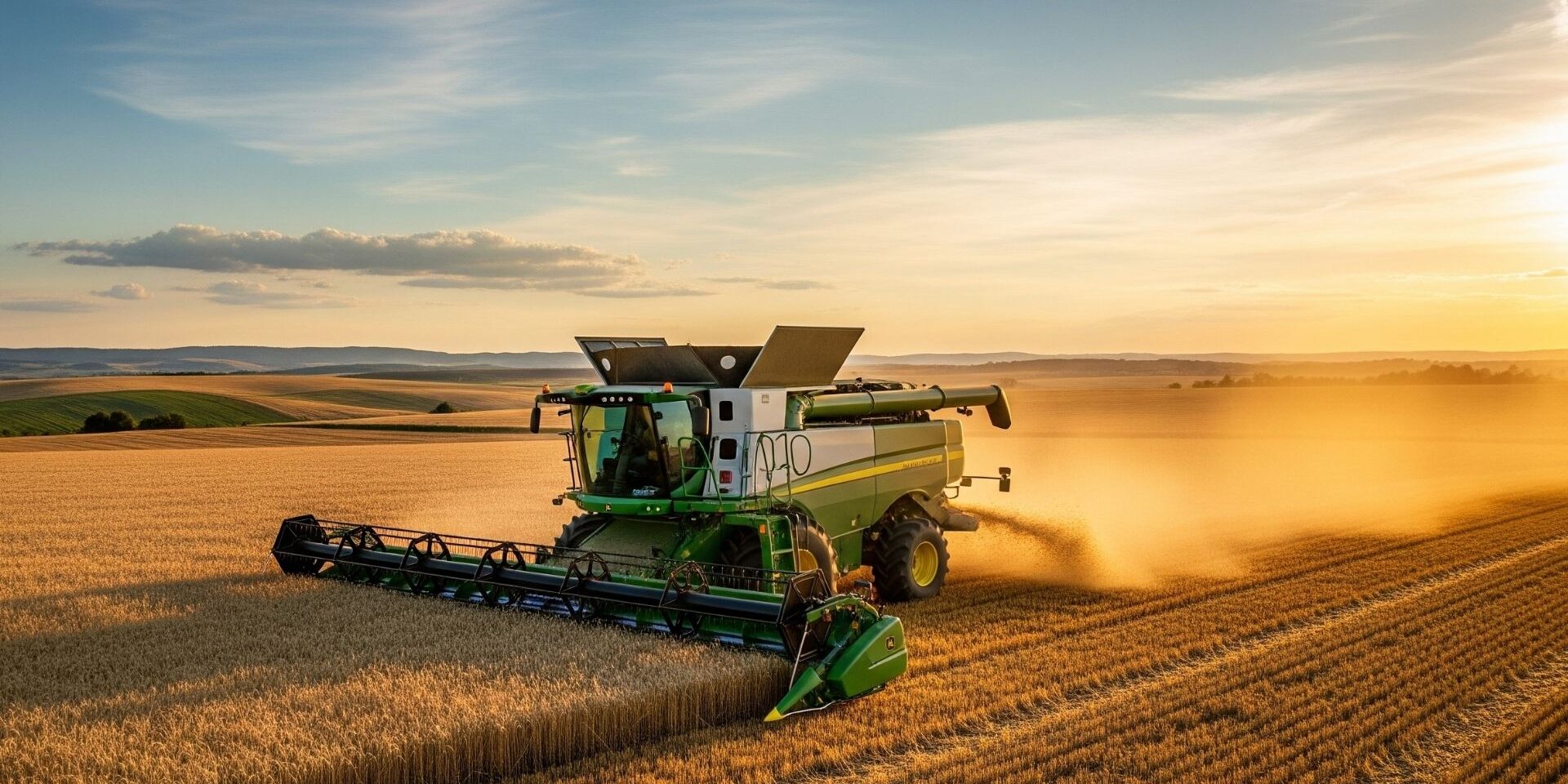
Understanding the Lifespan of Your Agricultural Belts
Modern farming relies on the durability of every component, and agricultural belts are no exception. From the baler to the swather, these parts are critical for a successful harvest. A common question we hear is about their expected lifespan, which isn’t a simple answer. It depends on several key factors that influence their performance and longevity.

Material Quality and Construction
The quality of materials is the primary determinant of a belt’s durability. Premium, heavy-duty fabrics and superior rubber compounds resist wear, tear, and environmental damage far better than standard options. At our facility, we prioritize robust construction in every farm belt, ensuring it can withstand the immense stress of a demanding harvest season.
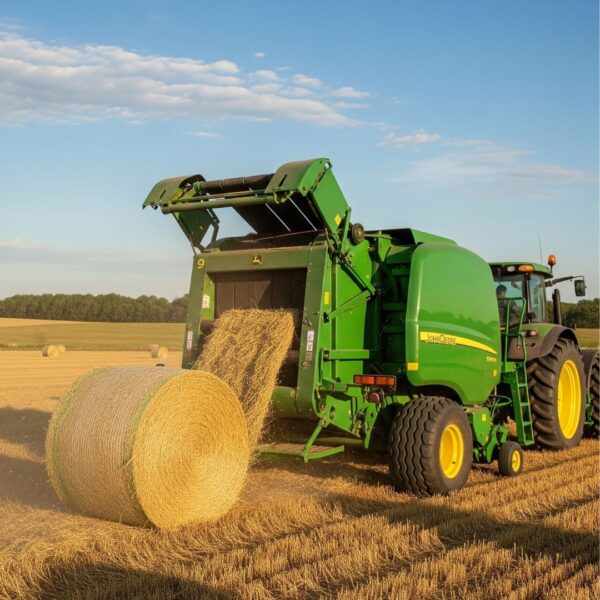
Operating Conditions and Workload
Harsh environments significantly impact the longevity of agricultural belts. Factors like extreme temperatures, moisture, and exposure to debris accelerate wear. Similarly, a round baler belt running under a consistently heavy workload will naturally degrade faster than one used less intensively. Proper machine operation helps mitigate some of this inevitable operational stress.
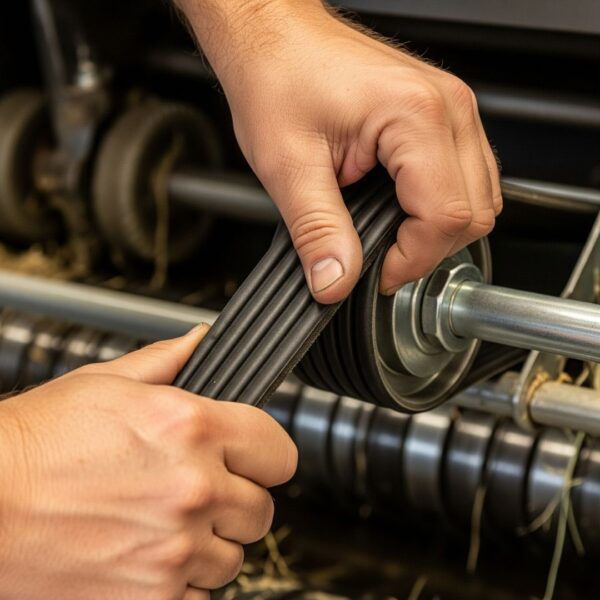
Proper Installation and Tensioning
A leading cause of premature belt failure is incorrect installation. An agricultural belt that is too tight or too loose will experience uneven wear and excessive strain, leading to cracks and eventual breakage. We always advise following manufacturer specifications precisely to ensure optimal tension, which is crucial for maximizing the belt’s service life.
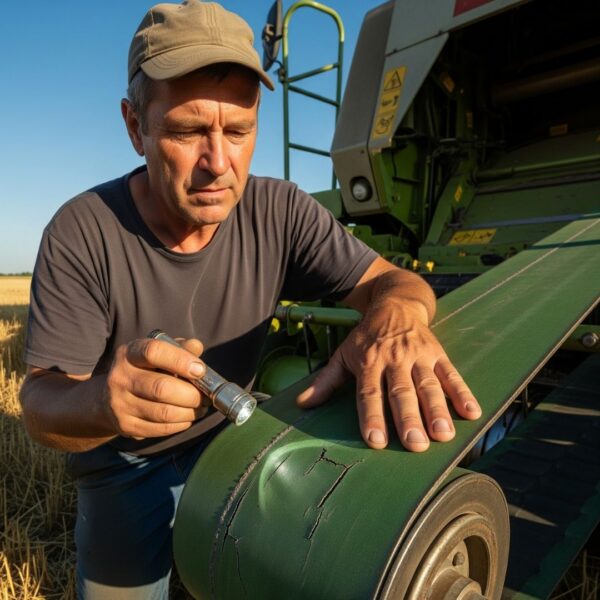
Regular Inspection and Maintenance
Proactive maintenance is key to extending the life of your baler belts. Regularly inspecting for signs of glazing, cracking, or fraying allows you to address minor issues before they become major failures. Keeping belts clean and ensuring pulleys are properly aligned also prevents unnecessary friction and damage, helping you avoid costly, unexpected downtime.
Ultimately, the lifespan of your agricultural belts depends on a combination of quality manufacturing, proper use, and diligent maintenance. By focusing on these key areas, you can significantly extend their service life and boost your farm’s productivity. For durable, American-made round baler belts designed for longevity, explore our products at Belting Headquarters or use our Belt-Finder tool to find the perfect fit.